About HFMN

A national tapestry,
woven from the cluster up.

Handloom Fabrics Makers of Nepal is an ESG-committed national organization stitching farmers, weavers, researchers and markets into one accountable textile ecosystem — from mulberry hillside to export desk.

farmers weavers spinners dyers researchers cooperatives designers markets
Portrait 01
The people behind the cloth.
The Founding Stitch

A federation, stitched year by year.

Use the arrows, drag, or your ← → keys to travel through the stitches.

2015
First cluster charters

Weaver cooperatives in Bhaktapur and Palpa sign HFMN's founding charter.

2017
National federation

HFMN formally registered as a national federation across seven provinces.

2019
ESG baseline

ESG framework adopted; first natural dye and mulberry silk baselines completed.

2021
UTCN retail arm

Launched to shorten the route from loom to buyer.

2023
Training & Academy

Programme reaches 2,400 weavers and 180 cooperatives across Nepal.

2026
Nepal-origin mandate

Certification and national mandate for handloom, silk, wool, fibres, dyes.

Vision

To make Nepal a global centre for sustainable textiles.

A globally recognized origin for handloom, silk, natural fibre, wool and naturally coloured products — powered by ESG-based rural industrialisation.

Mission

To organise the whole chain into one accountable federation.

Farmers, weavers, artisans, cooperatives, women, youth, experts, designers, local governments and market actors — organised into sustainable value chains that create income, preserve heritage and build Nepal-origin brands.

Core Values

Ten threads. One weave.

Our values aren't a bullet list — they're the warp and weft that every cluster, cooperative and project is measured against.

1 Sustainability
2 Heritage
3 Inclusiveness
4 Ethics
5 Quality
6 Transparency
7 Cooperation
8 Research
9 Rural prosperity
10 Nepal-origin
Who we organise

The six threads of the federation.

Every HFMN programme has a farmer, a weaver, a designer or a researcher with skin in the game — not a beneficiary, a member.

Farmers
Member type · 01
Farmers

Mulberry, allo, hemp, cotton and indigo growers anchoring the raw-material base.

Weavers
Member type · 02
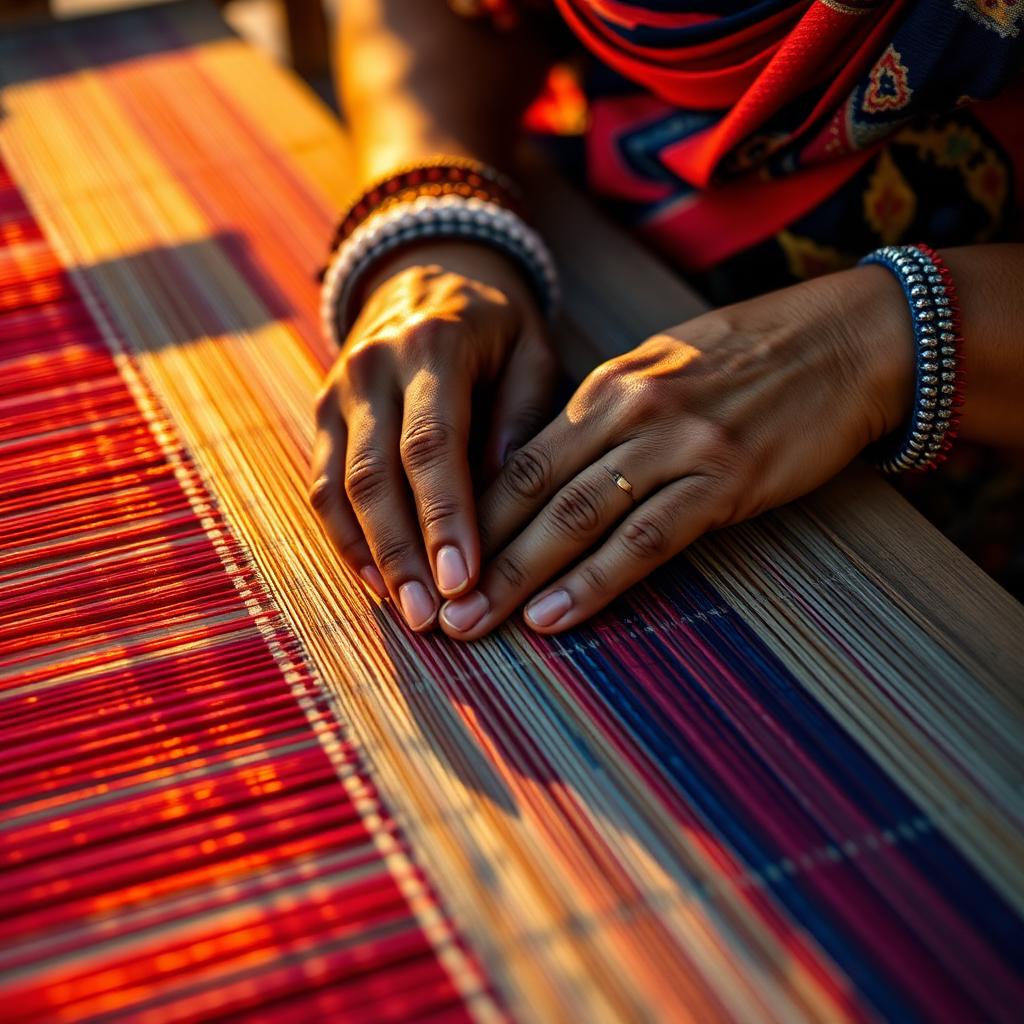
Weavers

Handloom and pit-loom artisans holding the technical memory of the craft.

Spinners & Dyers
Member type · 03
Spinners & Dyers

Yarn count discipline and natural-colour laboratories.

Designers
Member type · 04
Designers

Contemporary product development, sampling and collection direction.

Researchers
Member type · 05
Researchers

Fibre science, standards, provenance and material heritage.

Cooperatives
Member type · 06
Cooperatives

Governance, aggregation and the legal spine of every cluster.

National mandate

One country. One woven mandate.

HFMN carries a national mandate across all seven provinces — coordinating handloom, silk, wool, natural fibre and natural colorant sectors under one ESG-based framework.

  • Silk clusters
  • Handloom regions
  • Wool production
  • Natural fibre sites
  • Community clusters
  • Training centres
  • 7 provinces · 34 clusters
  • 180+ member cooperatives
  • 2,400+ trained weavers & artisans
  • 5 sector standards under HFMN framework

Basemap © OpenStreetMap / CARTO

Organisation structure

Knots, not a hierarchy.

HFMN is governed as a network of interconnected knots — each with its own authority, each tied into the same national weave.

General Assembly
Members · elects the board
General Assembly
Sita Rai
Cluster delegate · Terhathum
Bikash Gurung
Cluster delegate · Palpa
Kamala Tamang
Cluster delegate · Bhaktapur
Dorje Sherpa
Cluster delegate · Mustang
Executive Board
Sets policy & mandate
Executive Board
Rajendra Shrestha
Chairperson
Anita Adhikari
Vice Chair
Prakash Thapa
General Secretary
Manju Karki
Treasurer
Advisory Council
Researchers & sector experts
Advisory Council
Dr. Sunila Basnet
Fibre science
Dr. Ramesh Poudel
Sericulture
Prof. Neha Joshi
Design & heritage
Bibek Rana
Natural dyes
Cluster Committees
Local coordination
Local coordination
Cluster Committees
Bhaktapur Handloom
34 members
Palpa Dhaka
28 members
Terhathum Cluster
22 members
Chitwan Cluster
19 members
Sector Chapters
Silk · Wool · Fibre · Dye
Sector Chapters
Silk Chapter
Chair · Nabin K.C.
Wool Chapter
Chair · Pema Lama
Fibre Chapter
Chair · Indira Limbu
Dye Chapter
Chair · Reeta Maharjan
Cooperative Federations
Producer aggregation
Cooperative Federations
Eastern Federation
42 co-ops
Central Federation
51 co-ops
Western Federation
38 co-ops
Karnali Federation
22 co-ops
HFMN Secretariat
Programmes & operations
HFMN Secretariat
Sabina Maharjan
Executive Director
Umesh Bhattarai
Programmes Lead
Sunita Rai
Standards & ESG
Krishna Poudel
Market & UTCN
In Practice

What HFMNactually does.

Everything HFMN does — from a mulberry seedling to a finished bolt of cloth — is stewarded by a real cooperative, a real weaver and a real ledger. This is a snapshot.
01
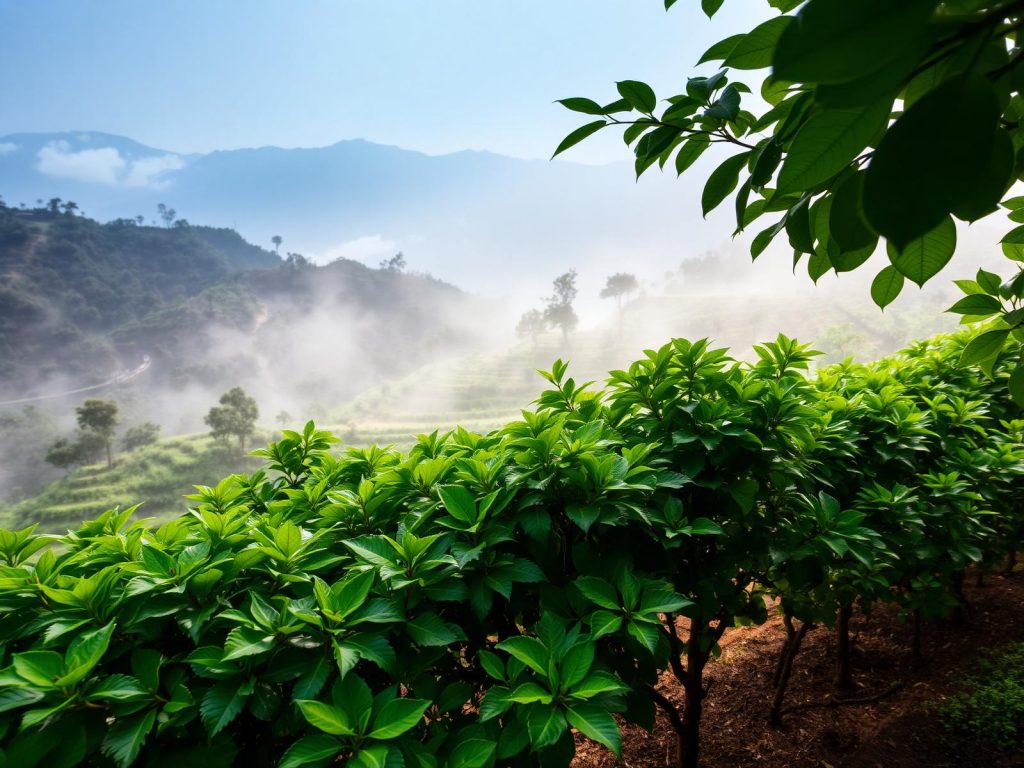
On the hillside

Producer mobilization

We walk cooperatives through registration, ESG onboarding and cluster charters — turning scattered producers into a single, accountable federation.

02
In the workshop

Standards & training

Loom setup, count discipline, yarn testing and finishing — the small, boring things that decide whether a fabric ships or gets rejected.

03
At the market

Route to buyers

We connect cluster output to UTCN retail, national trade shows and export desks so the price the weaver sees reflects the price the buyer pays.

HFMN did not hand us a subsidy. They handed us a standard, a market and someone to call when the loom broke.
— Cooperative chair, Bhaktapur cluster