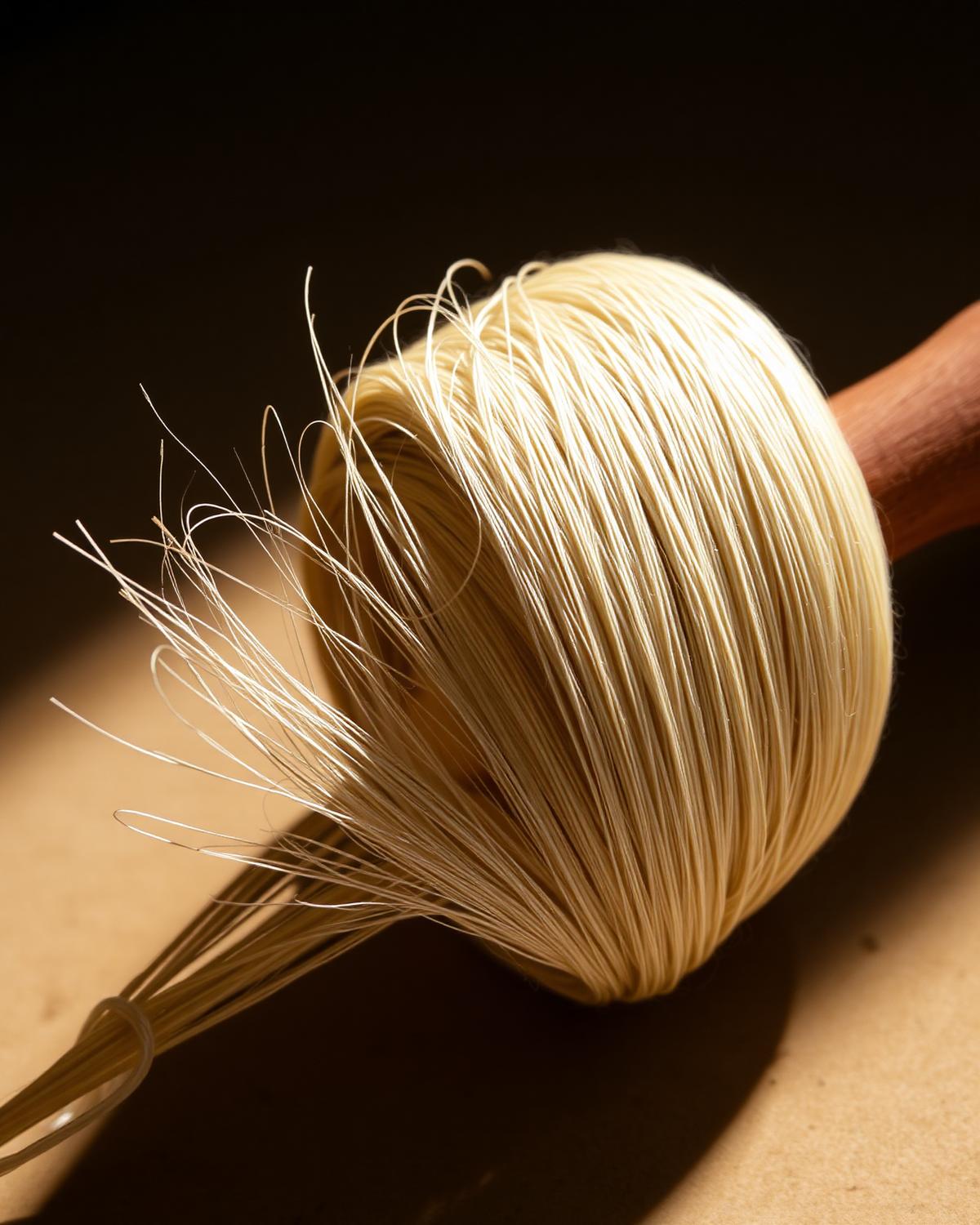
 Mulberry
Best used for
Formal shawls, saris, apparel
Lustre
96
Strength
82
Warmth
55

HFMN has prioritized silk as a strategic national sector connecting agriculture, handloom, rural employment, women's participation, green industry, eco-tourism, Nepal-origin branding and export.

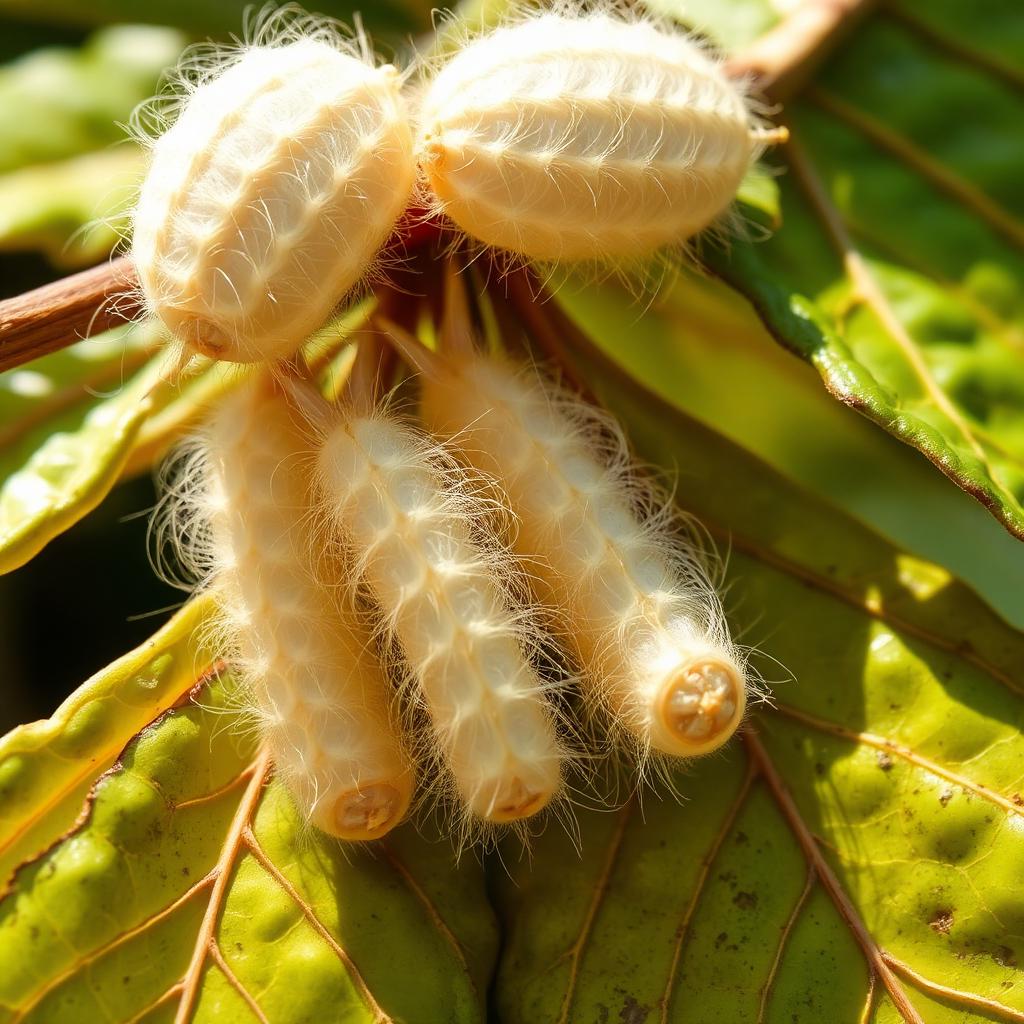
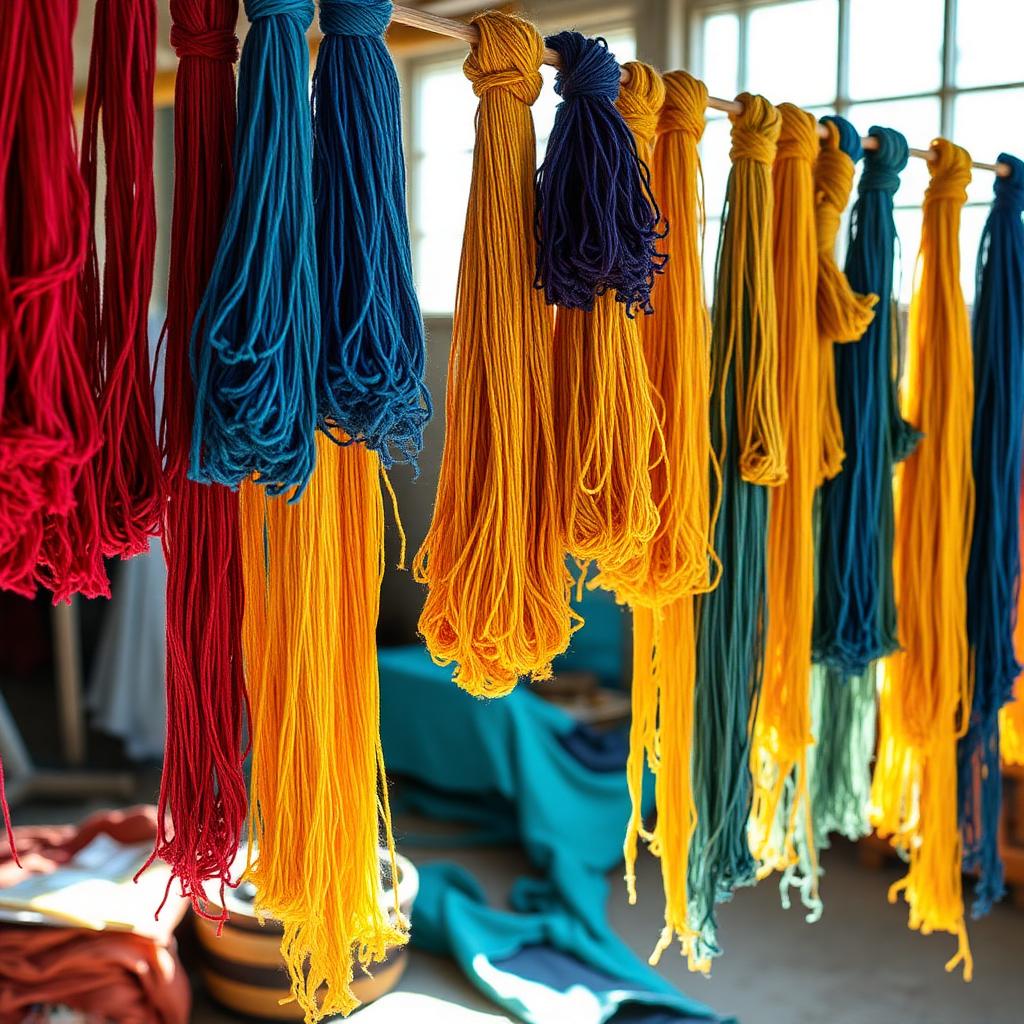
Silk sits at the meeting point of everything HFMN was built to do — agriculture and craft, women's work and cooperative economy, forest and factory, village and export market. A single ropani of mulberry can employ a household year-round. Ten thousand ropani builds a rural silk economy.
Nepal has the altitude, the mulberry-friendly climate and the weaving lineage to make silk one of its flagship sustainable exports. What it hasn't had, until now, is the coordination. That is what the National Silk Programme is for.
One filament — from a mulberry leaf in the eastern hills to a finished textile in a global market. Follow the thread through the eight stages of Nepal's silk value chain.
 01
01
Tokha · Panauti · Dang
Terraced plantations feed the silkworm and anchor rural livelihoods.
 02
02
Rearing houses
Farmers rear silkworms on fresh mulberry leaves through five instars.
 03
03
Sericulture units
Spun in a single unbroken filament — the raw beginning of silk.
 04
04
Reeling & spinning
Cocoons are reeled and spun into fine, lustrous Nepal silk yarn.
 05
05
Natural colour ateliers
Botanical dyes — madder, indigo, walnut — colour the yarn.
 06
06
Bhaktapur · Palpa · Terhathum
Master weavers thread the warp and weave heritage patterns by hand.
 07
07
Ateliers & studios
Fabrics become shawls, apparel and interior textiles.
 08
08
Nepal · Global
Traceable, Nepal-origin textiles reach designers and buyers worldwide.
Mulberry → Silkworm → Cocoon → Raw Silk → Yarn → Handloom → Finished Product → Market.
Main themes:
Each 10,000 ropani silk cluster is presented as a complete rural silk economy — a self-contained sericulture ecosystem.
HFMN and its ecosystem envision approximately forty 10,000-ropani clusters spanning Nepal's hill and Terai regions — a coordinated national programme to make silk one of the country's flagship sustainable exports.
HFMN's flagship national platform bringing together government, farmers, cooperatives, investors, banks, insurance companies, researchers, technical experts, handloom producers, development partners and international collaborators to revive and scale Nepal's silk industry.
A living conversion story — mulberry leaves become worms, worms become cocoons, cocoons become yarn, and yarn becomes cloth. Every stage carries its own weight, wastage and value.
Mulberry
Eri
Tussar
Twelve Nepali months, five kinds of work. Each card shows the month, the season it falls in, and what the silk cluster is doing — from planting the mulberry to shipping the finished cloth.
Mulberry saplings established with the first rains.
Field pruning and irrigation checks.
Monsoon rearing rooms opened; first crop of worms.
Second rearing crop; leaf harvest at peak.
Cocoon spinning; collection begins.
Cocoon grading and reeling into raw silk.
Spinning fine yarn; dye lots prepared.
Warp beams dressed; weaving cycles begin.
Winter weaving — shawls and wraps.
Finishing, washing, quality control.
National Silk Conference and buyer meets.
UTCN retail cycles and export shipments.
“In one season, silk went from a hobby to a household income line.”