Form cooperatives
We help scattered weavers register as producer cooperatives with legal recognition, shared governance and a single point of accountability.

HFMN supports Nepal's handloom weavers, producer groups and traditional textile hubs — connecting looms with silk, wool and natural fibers, and elevating quality, design and market reach.
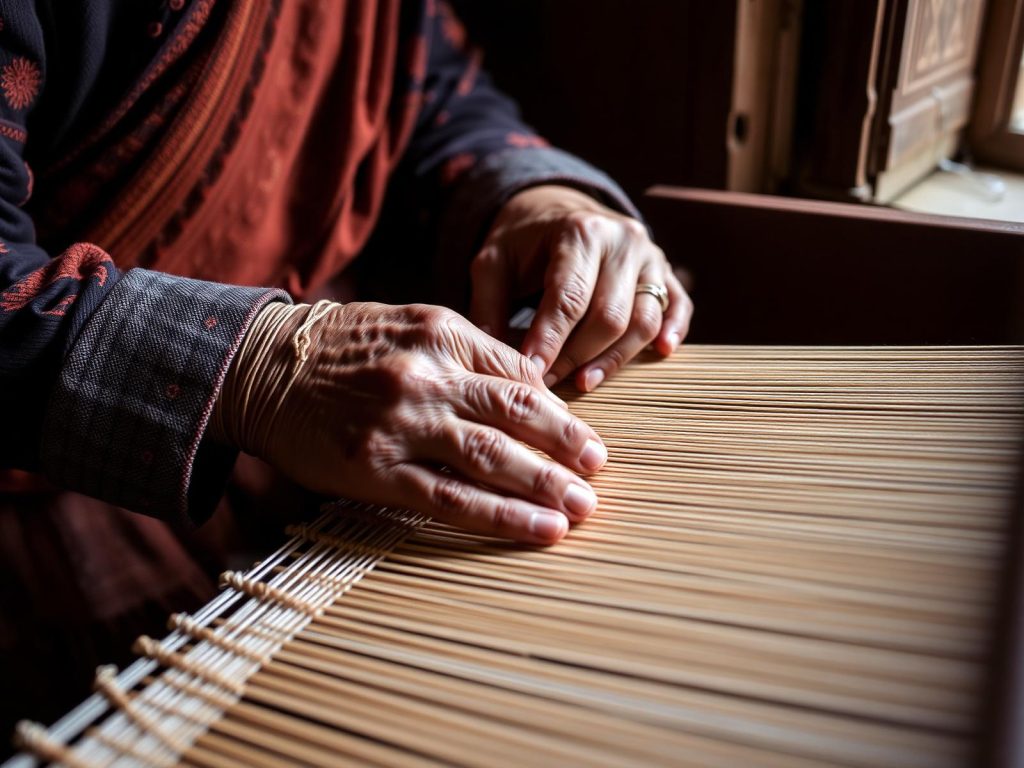
Long before industrial mills, the loom in the courtyard was Nepal's factory floor — a household economy that turned mountain wool, silk and plant fibre into cloth for a whole valley.
HFMN's handloom programme protects that lineage while giving it the modern spine it needs: shared quality standards, traceable raw material, and a national market channel that pays weavers a fair rate for a fair count.
“A single Nepali handloom sustains not just a weaver, but the dyer, the spinner, the mulberry farmer and the cooperative that binds them.”
HFMN organises weavers into cooperatives, trains new artisans, documents traditional techniques and connects producers with designers, buyers and export platforms — all under one national quality framework.
We help scattered weavers register as producer cooperatives with legal recognition, shared governance and a single point of accountability.
Master-apprentice residencies, count testing and finishing workshops keep traditional techniques alive and lift quality to export grade.
Pattern drafts, motifs and process notes are catalogued in a public design library so no technique is lost to a single retirement.
Producers are matched with designers, domestic retail and international buyers under one national quality framework and fair-rate ledger.
Each thread below is a working line of HFMN's handloom programme — a rate, a commitment, or a number we're accountable for.
Eleven handloom product lines — hover a tile to reveal its market tag.


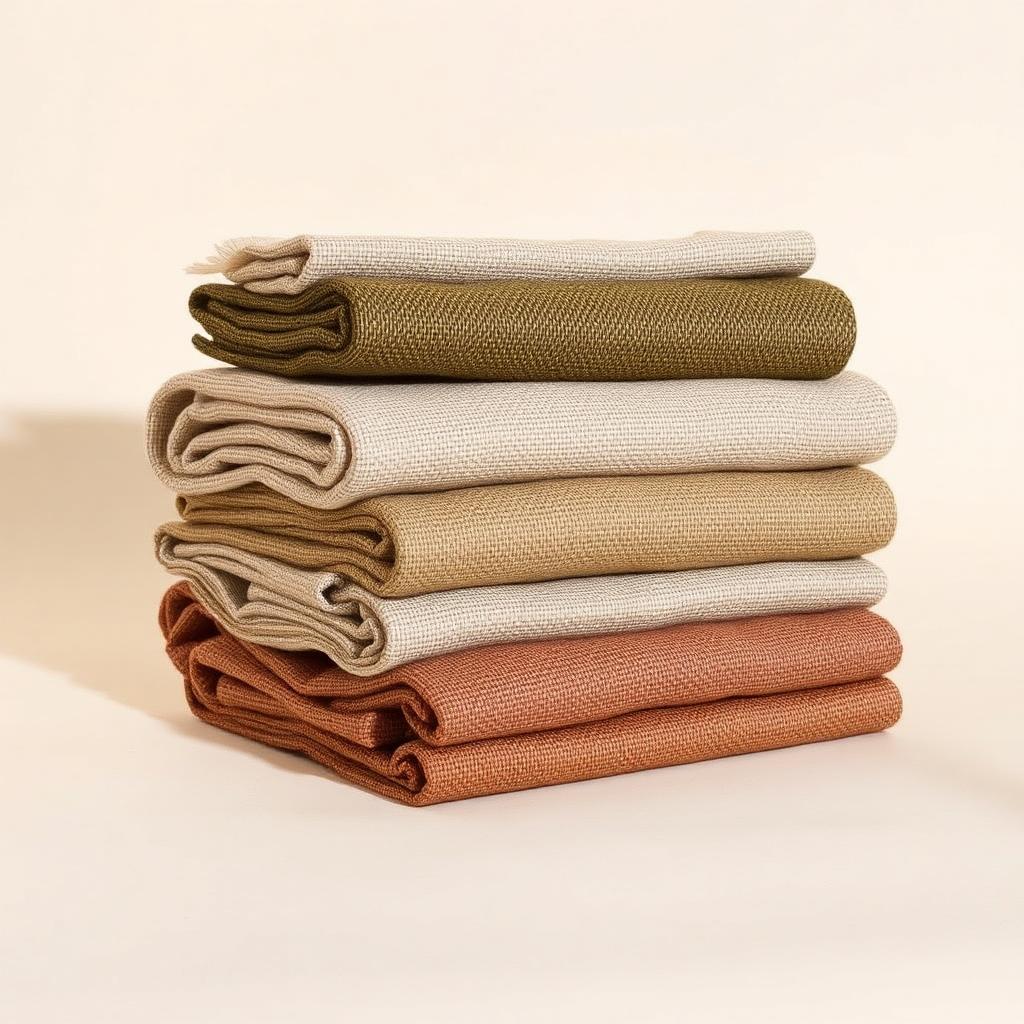


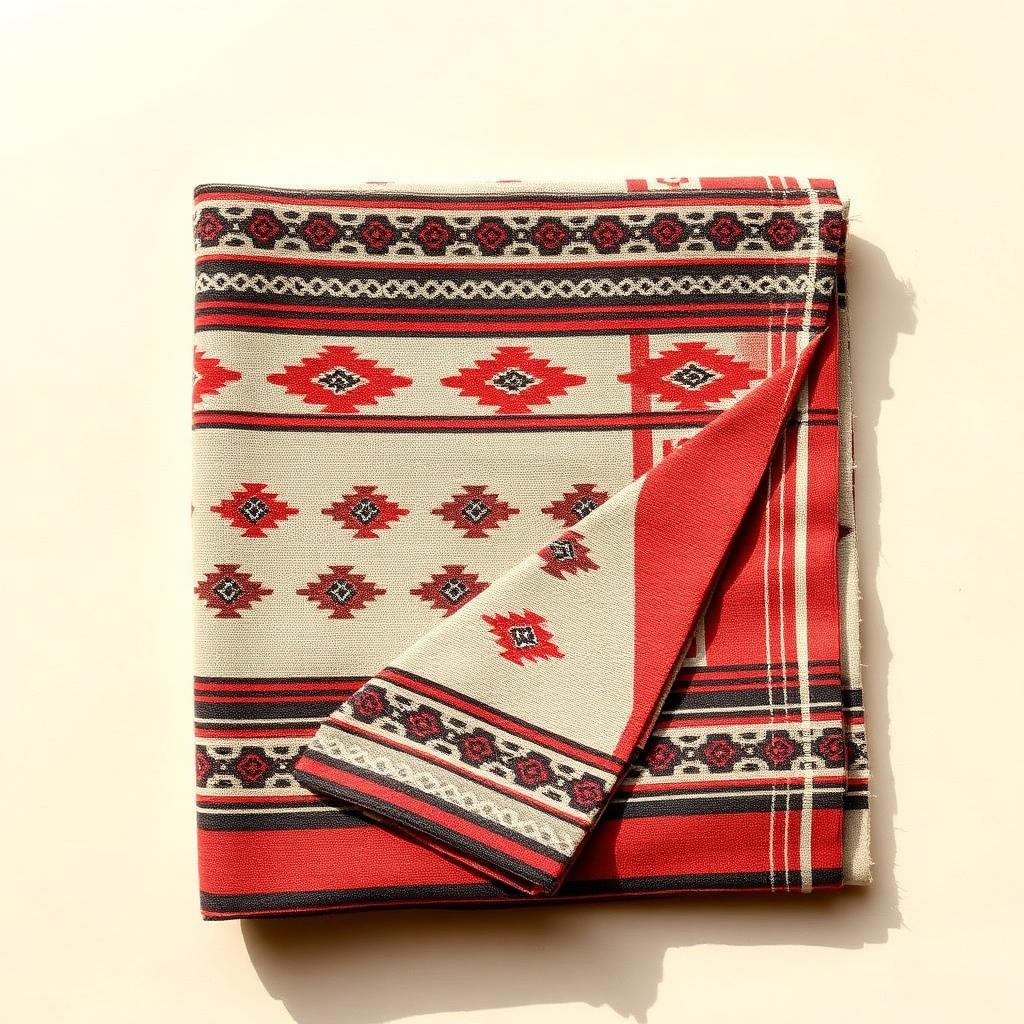

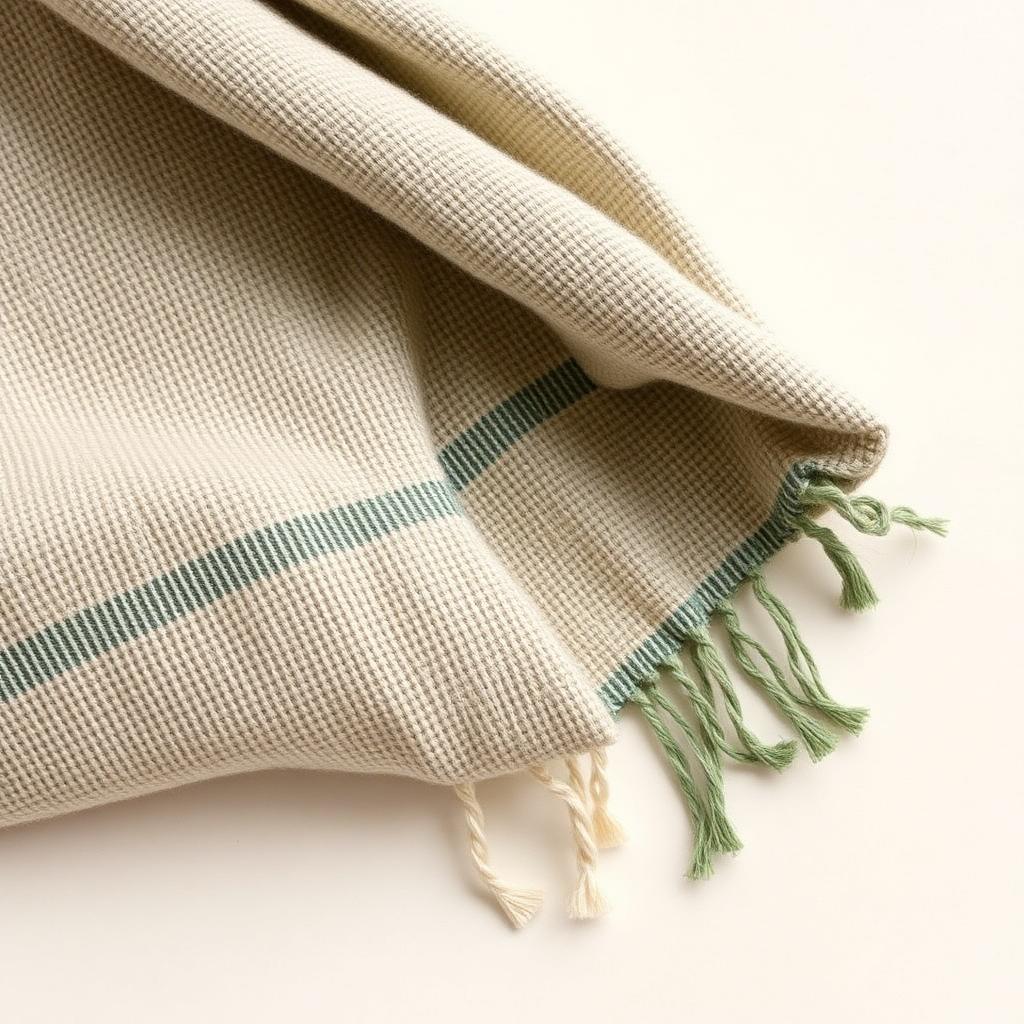

Five points where HFMN's programme meets the loom itself — from the warp beam to the finished selvedge.
Loom repair grants, count-testing kits and design libraries reach registered weavers each season — the invisible infrastructure of a working handloom.
We commission master weavers to document dying motifs and teach them back to the next generation through paid apprenticeships.
HFMN publishes reference piece rates by count and pattern, so no cooperative undercuts another and no weaver undersells their hours.
A registered shuttle mark travels with each finished bolt — a chain-of-custody stamp from loom to buyer.
Finished cloth is measured, graded and logged in the cluster ledger before it leaves the workshop floor.
A shared floor rate by yarn count keeps clusters from undercutting each other. Weights below are indexed to the 40s cotton baseline (=100), reflecting finer counts, slower loom time and higher skill. Illustrative only — the seasonal cash figures are published quarterly to registered cooperatives.
Cotton
Everyday scarves, stoles, home textiles
1.5–2 days / metre
Fine cotton / cotton-silk
Formal stoles, shirting, light shawls
2–3 days / metre
Silk-wool blend
Winter shawls, jacket fabric
3–4 days / metre
Mulberry silk
Bridal sarees, luxury yardage
4–6 days / metre
“For thirty years I wove for whoever came. Now I weave for a mark that carries my name off the mountain.”
— Master weaver, Palpa handloom cluster
