

ESG Commitment

Environmentally responsible.
Socially inclusive. Institutionally transparent.

HFMN believes Nepal's textile future must be environmentally responsible, socially inclusive and institutionally transparent. This charter guides every programme, cluster and partnership we enter.

environment social governance biodiversity artisan dignity traceability cooperatives transparency
Pillar 01
Environment.
The Story

ESG as a workingcommitment.

ESG is not a marketing badge in HFMN's world. Environment means the mulberry, the dye plant, the water table. Social means the weaver, the herder, the cooperative accountant. Governance means the paperwork, the audit and the willingness to be checked.

The framework on this page is what we hold ourselves — and every partner cluster — accountable to.

  1. Nature
  2. People
  3. Cooperatives
  4. Governance
  5. Finished Textile
Overview Dashboard

Three pillars, one working commitment.

A live snapshot of how the charter meets the ground — updated each reporting cycle.

78%
Environment coverage
64%
Social participation
91%
Governance compliance
42+
Cooperatives
1,200+
Farmers
900+
Artisans
68
Villages
24
Products
15
Trainings
The 2026 Charter

Environment,Society, Governance.

Three pillars carried across every cluster, cooperative and product line.

Environment
Environment

HFMN promotes:

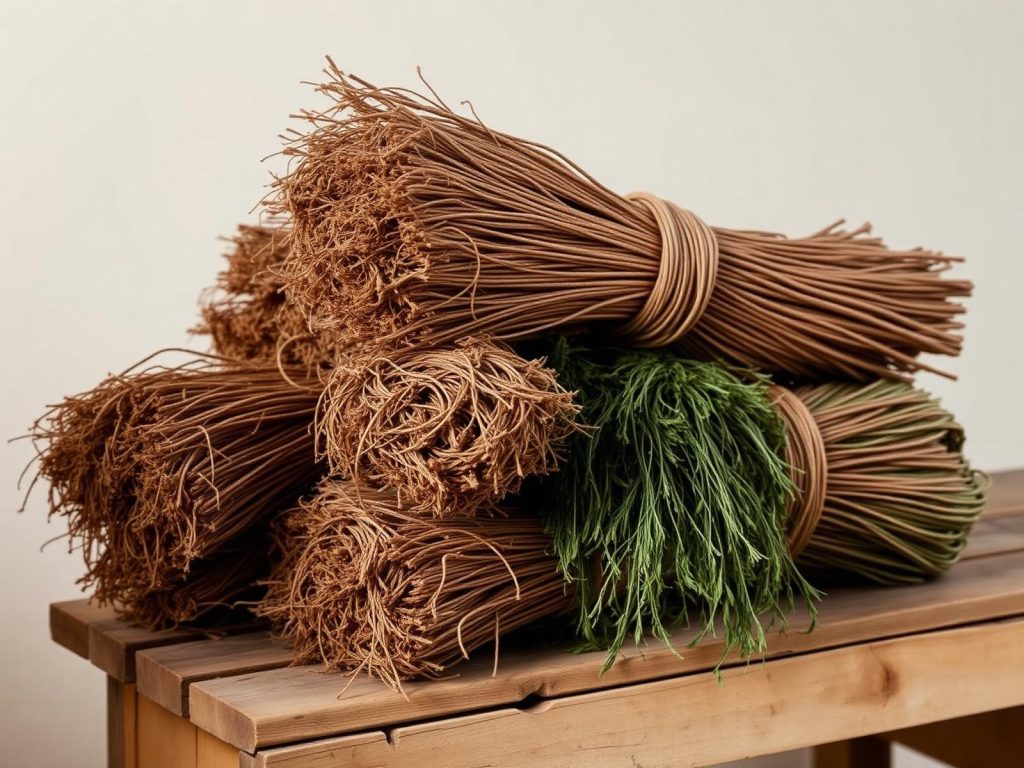
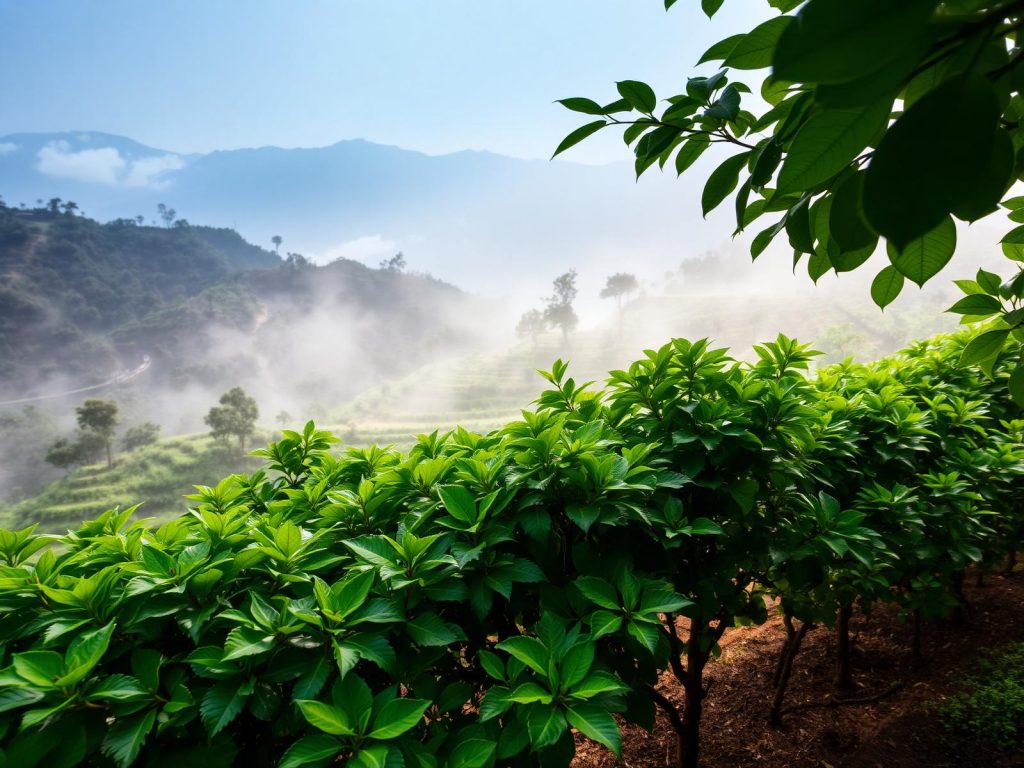
  • Mulberry plantation
  • Natural fiber cultivation and collection
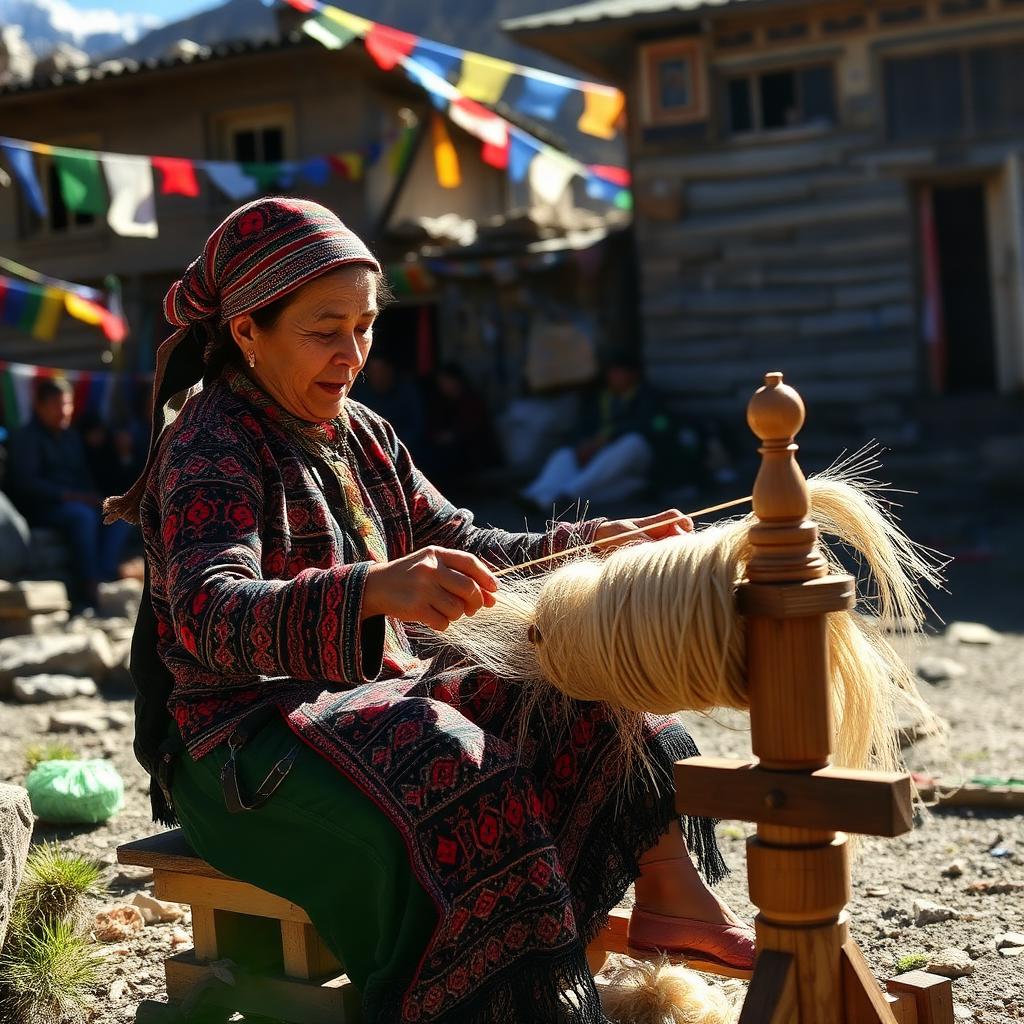
  • Wool-based sustainable textile products
  • Natural colorants and plant-based dyes
  • Low-chemical production systems
  • Compost, organic manure and biofertilizer
  • Biodiversity protection
  • Water conservation
  • Soil improvement
  • Agroforestry
  • Climate-smart rural industry
  • Carbon-readiness
Social
Social

HFMN supports:

  • Farmer income generation
  • Women's participation
  • Youth employment
  • Artisan dignity
  • Handloom skills preservation
  • Cooperative development
  • Rural industrialization
  • Skill training
  • Inclusive value chains
  • Fair production opportunities
Governance
Governance

HFMN promotes:

  • Transparent producer records
  • Traceable raw materials
  • Ethical sourcing
  • Responsible use of grants and support
  • Quality standards
  • Producer documentation
  • Monitoring and reporting
  • Institutional accountability
  • Local government and public-private cooperation
Charter Timeline

The commitments, in sequence.

  • Environment

    Mulberry, fibre & wool

    Mulberry plantation. Natural fiber cultivation and collection. Wool-based sustainable textile products.

  • Environment

    Low-chemical systems

    Natural colorants and plant-based dyes. Low-chemical production systems. Compost, organic manure and biofertilizer.

  • Environment

    Land & climate

    Biodiversity protection. Water conservation. Soil improvement. Agroforestry. Climate-smart rural industry. Carbon-readiness.

  • Social

    Livelihoods & inclusion

    Farmer income generation. Women's participation. Youth employment. Artisan dignity.

  • Social

    Cooperatives & skills

    Handloom skills preservation. Cooperative development. Rural industrialization. Skill training. Inclusive value chains. Fair production opportunities.

  • Governance

    Records & traceability

    Transparent producer records. Traceable raw materials. Ethical sourcing.

  • Governance

    Standards & accountability

    Responsible use of grants and support. Quality standards. Producer documentation. Monitoring and reporting. Institutional accountability. Local government and public-private cooperation.

In Practice

The charter,on the ground.

Three vignettes — one for each pillar — from the field.

Water & soil ledger
Environment

Water & soil ledger

Every dye-house tracks water use and effluent; every mulberry block records compost inputs. The environment column of ESG is a spreadsheet, not a slogan.

Weaver dignity
Social

Weaver dignity

Minimum piece rates, women's participation targets and cooperative representation are written into every cluster MoU we sign.

Traceable batches
Governance

Traceable batches

From the fleece bag to the finished scarf, every HFMN-marked product carries a lot number that resolves to a village, a cooperative and a weaver.

The audit sits next to the loom. That is the difference.
— HFMN ESG lead, 2026 charter round
ESG Process Flow

Every stage, one accountable chain.

  1. Mulberry Plantation
  2. Farmer
  3. Cooperative
  4. Natural Dye
  5. Weaver
  6. Quality Check
  7. Finished Textile
  8. Customer
Cluster Map

Where the charter meets the ground.

Every marker resolves to a village, cooperative and named partner across Nepal's ESG-committed textile geography.

  • Silk clusters
  • Handloom regions
  • Wool production
  • Natural fibre sites
  • Community clusters
  • Training centres
Clusters
10
Provinces
7
Co-ops
42+

Basemap © OpenStreetMap / CARTO

Environmental Impact

The land, innumbers.

What HFMN's environment column looks like when it's turned into measurable movement across the landscape.

Water conservation
72%
Dye-house recirculation and effluent tracking.
Soil improvement
65%
Compost, biofertilizer, cover-cropping across clusters.
Biodiversity
58%
Mulberry, dye-plants and indigenous species reintroduced.
Agroforestry
49%
Mulberry & fibre integrated with existing farm systems.
Carbon-readiness
38%
Baseline complete; MRV pilots underway.
Low-chemical production
81%
Natural colorants and plant-based dyes prioritised.
Before
Open-effluent dyeing
Now
Closed-loop dye-houses
Δ
72% water reused
Social Impact

Livelihoods, seen by name.

64%
Women's participation

of active cooperative members are women.

01 / 06
300+
Youth employment

young people trained across regional academies.

02 / 06
1.8×
Farmer income

average uplift for silk & fibre farmer households.

03 / 06
15
Skill training

structured programmes across weaving, dyeing, reeling.

04 / 06
42+
Cooperative development

cooperatives strengthened with governance support.

05 / 06
100%
Artisan dignity

of MoUs include minimum piece rates & credit terms.

06 / 06
Governance Framework

A connected chain of accountability.

Transparent Records
01
Traceability
02
Ethical Sourcing
03
Quality Standards
04
Monitoring
05
Institutional Accountability
06

Each node is a checkpoint. Together they form the governance thread that a batch, a grant or a cooperative can be traced along at any moment.

Impact Stories

The charter, toldby its makers.

The Panauti nursery ledger
Kavre · Silk

The Panauti nursery ledger

How Kushadevi's mulberry rows became a shared audit book.

Sita Tamang
Sita Tamang
Nursery Lead, Kushadevi Cooperative
Panauti, Kavrepalanchok
“Before, the mulberry was just a hedge. Now every row has a number, and every number has a name.”

When HFMN's field team arrived in Kushadevi, the mulberry blocks were unrecorded and cocoon batches moved without provenance. Sita helped set up a shared ledger — a simple book, then a shared spreadsheet — that today tracks every ropani, every farmer and every reeling batch. The nursery is now the reference point for four surrounding wards.

Fleece to fabric, on record
Mustang · Wool

Fleece to fabric, on record

A high-altitude wool cluster carries its first traceable batch to Kathmandu.

Dorje Gurung
Dorje Gurung
Herder & Cooperative Secretary
Upper Mustang
“The fleece leaves my hand with a tag. It arrives in Kathmandu with the same tag. That is the change.”

For decades, Mustang wool moved through informal channels with no batch information. Dorje's cooperative worked with HFMN to introduce fleece tagging at shearing, weight records at collection, and lot numbers at the Kathmandu spinning partner — the first fully traceable wool batch out of Upper Mustang.

A dye-house closes the loop
Ilam · Natural Dye

A dye-house closes the loop

Effluent water re-enters the vat — the environment column becomes measurable.

Anjali Rai
Anjali Rai
Dye Master, Ilam Fibre Cluster
Ilam
“We stopped throwing colour into the river. That single decision changed how the whole village sees this craft.”

Anjali retrofitted her plant-based dye workshop with a settling tank and a simple filtration cycle so 72% of dye water is reused. HFMN documented the process as a template that has since been shared with three other clusters — a small technical fix that made the environment column of the ESG ledger real.

Join the charter

Build the ESG ledger with us — one cluster at a time.

Whether you're a cooperative, a buyer, a researcher or a public partner, the charter is open. Come sit next to the loom.