The wild fibers of the Himalayan foothills.
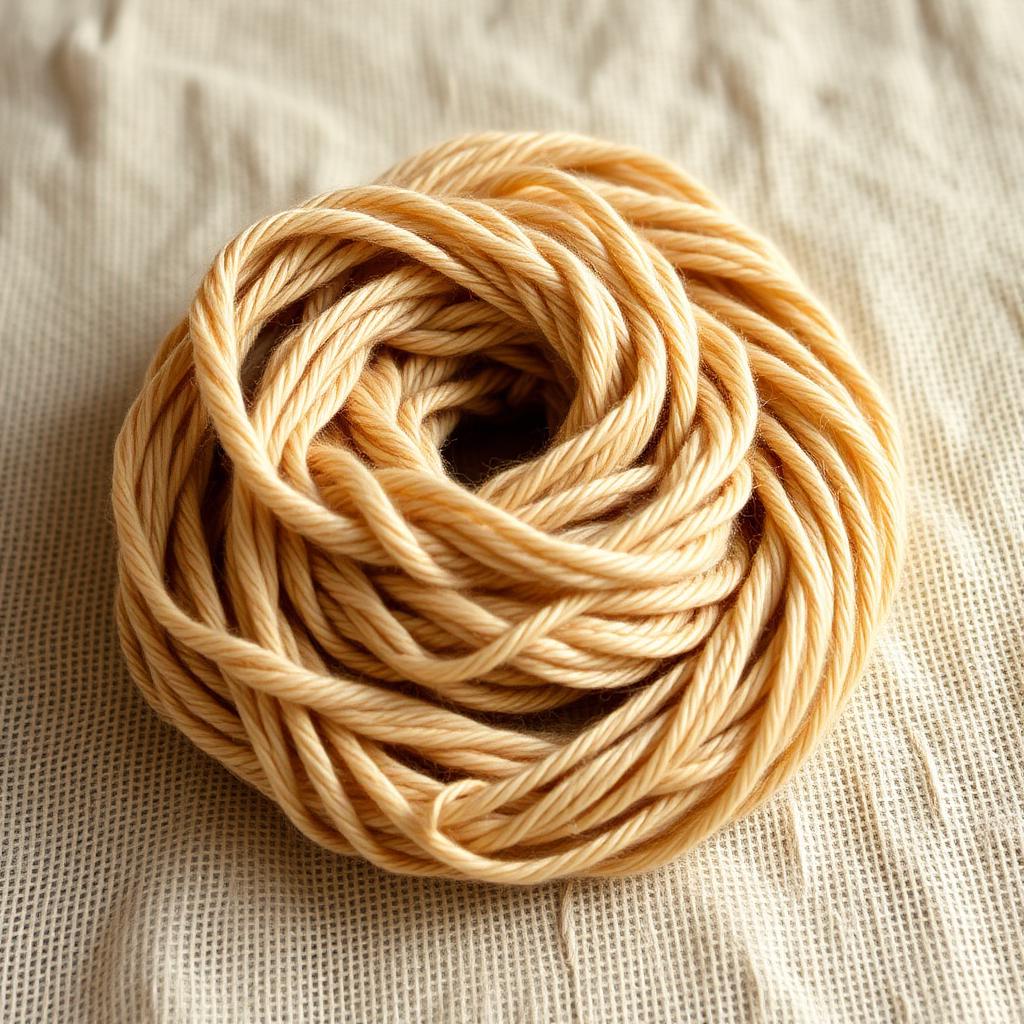
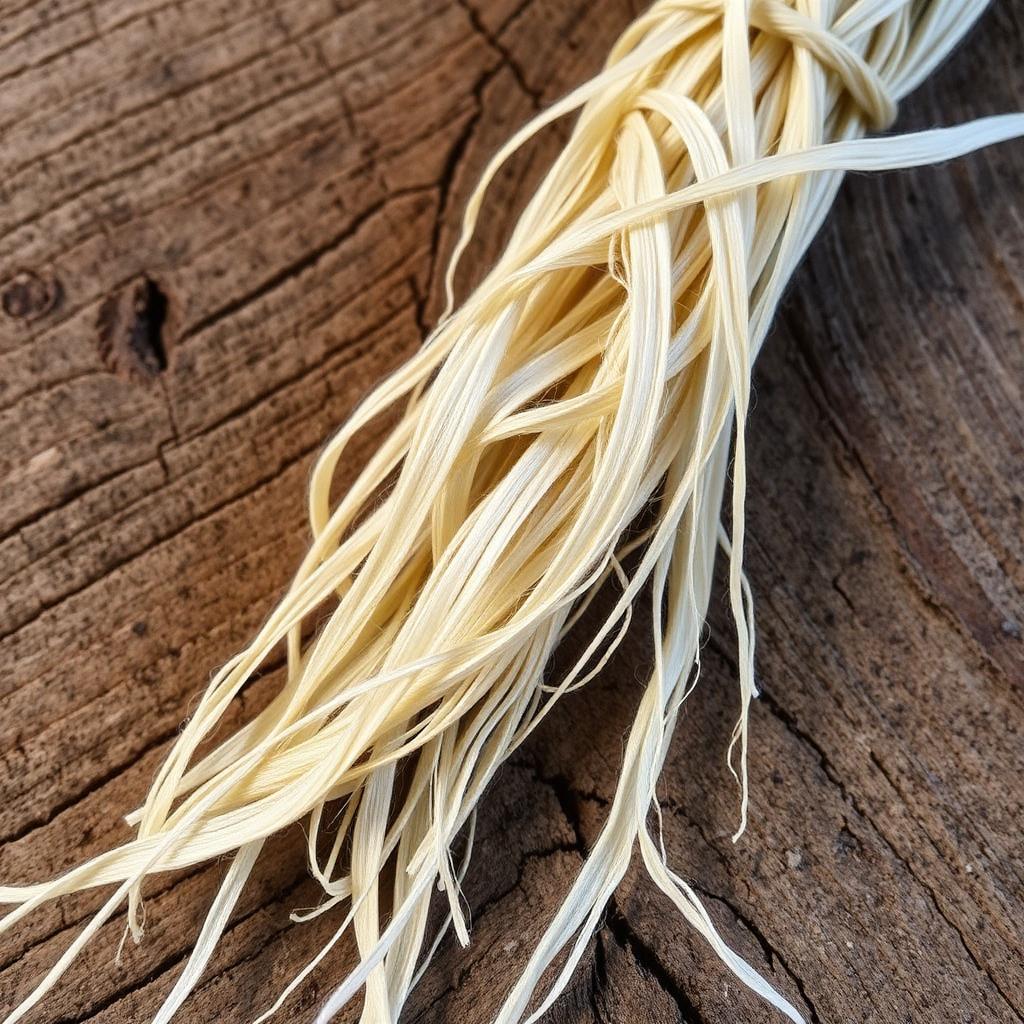
Nepal's forests, terraces and riverbanks yield a rare portfolio of natural fibers — allo, hemp, bamboo and banana. HFMN develops each into modern, market-ready material streams while protecting the ecosystems they come from.
The forest as a fibre economy.
Allo, hemp, bamboo and banana — Nepal's forest and farm systems yield fibres that have clothed communities for generations and, done right, can carry those same communities into a modern rural industry.
This programme is about doing it right: sustainable harvest, standardised processing, decent work in the extraction and spinning stages, and finished products that can hold their own on an international shelf.

Fibers the mountains have always given.
“Allo from ridge nettles, hemp from terraced fields, bamboo from riverbeds — Nepal's oldest textiles, now organised for a modern market.”
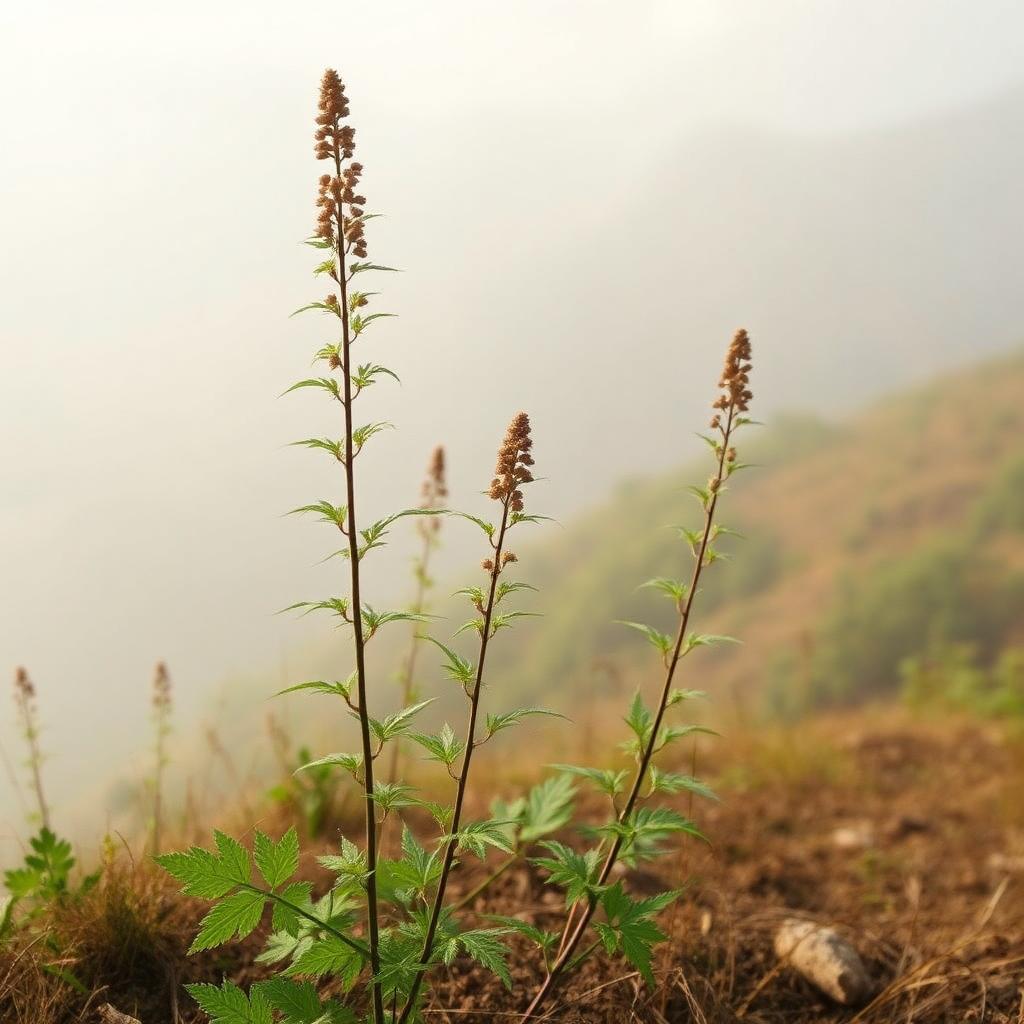
Allo (Himalayan Nettle)
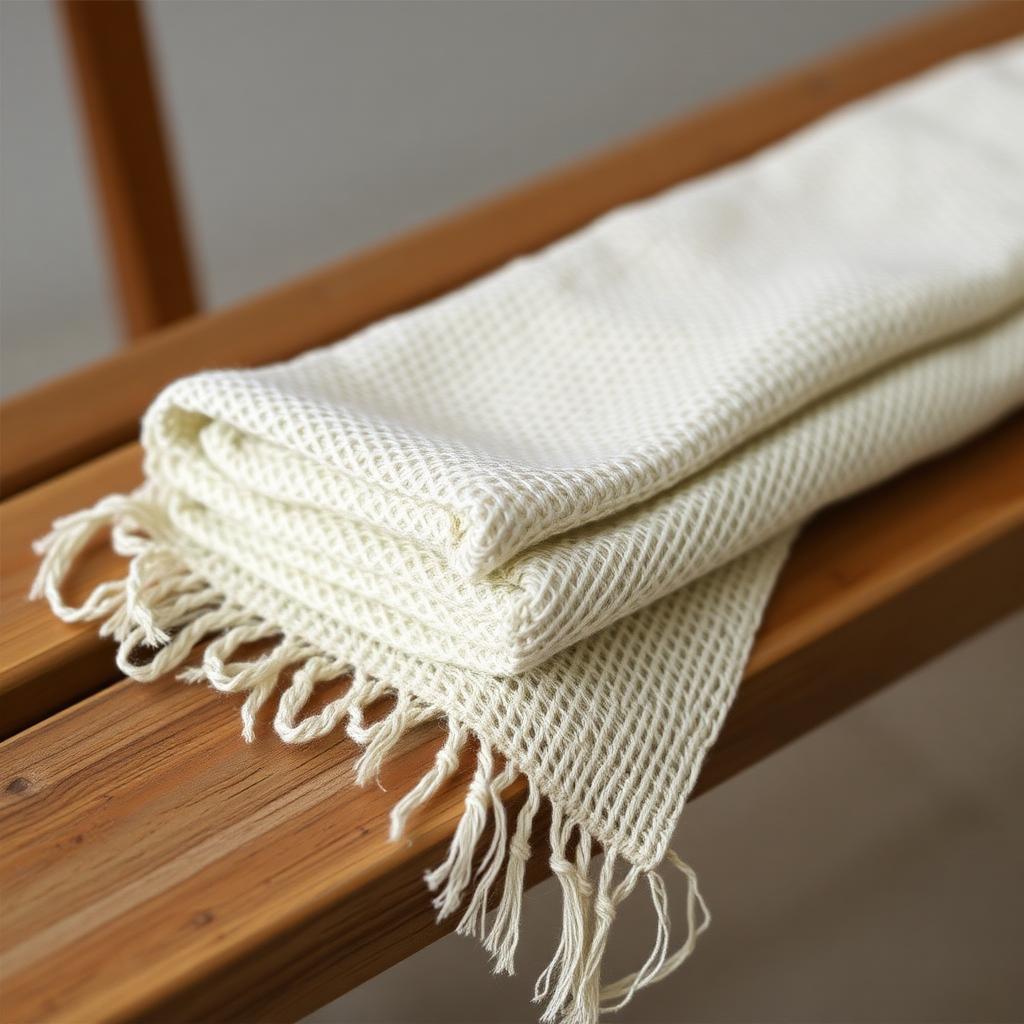
Used for strong, eco-friendly handmade textiles, bags, fabrics and blended products.
Hemp Fiber
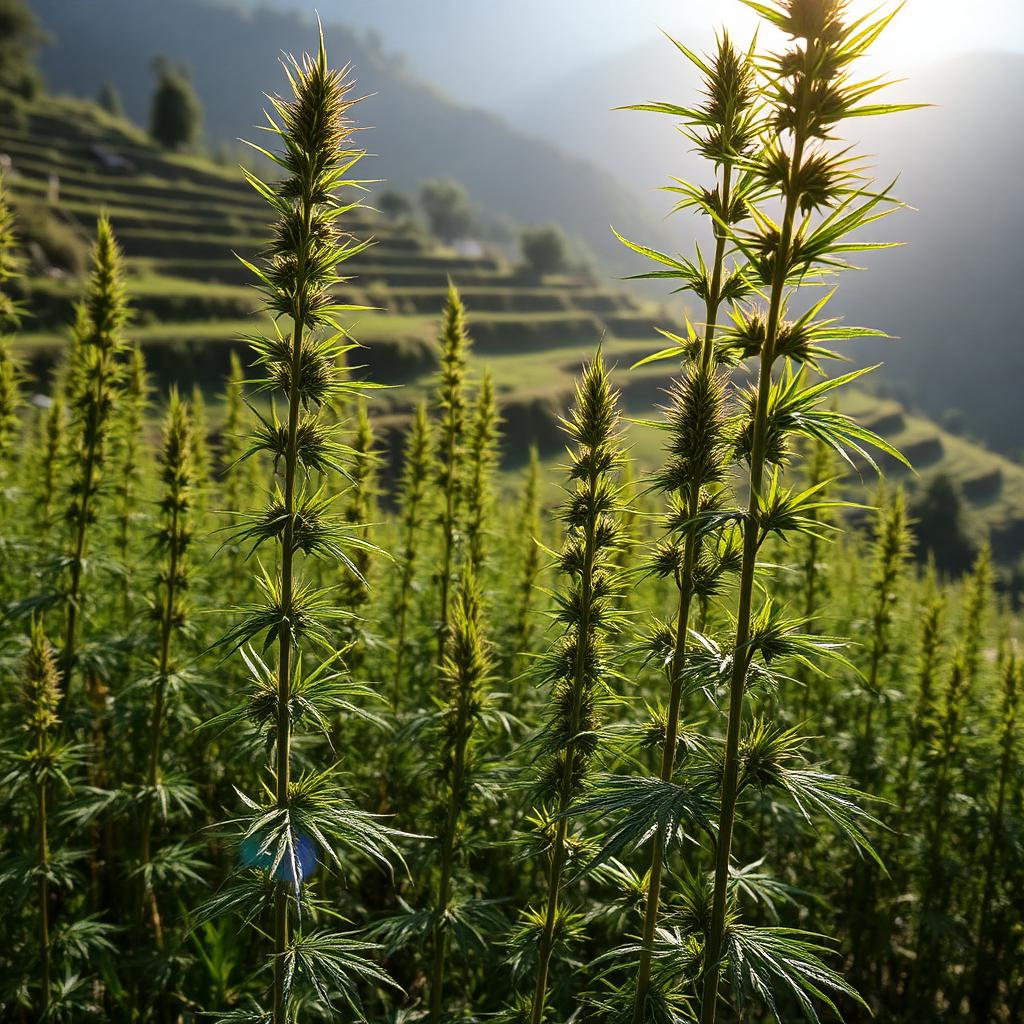
- Epidermis — waxy skin, removed in retting
- Bast — long spinnable fibers
- Hurd — inner woody core, byproduct
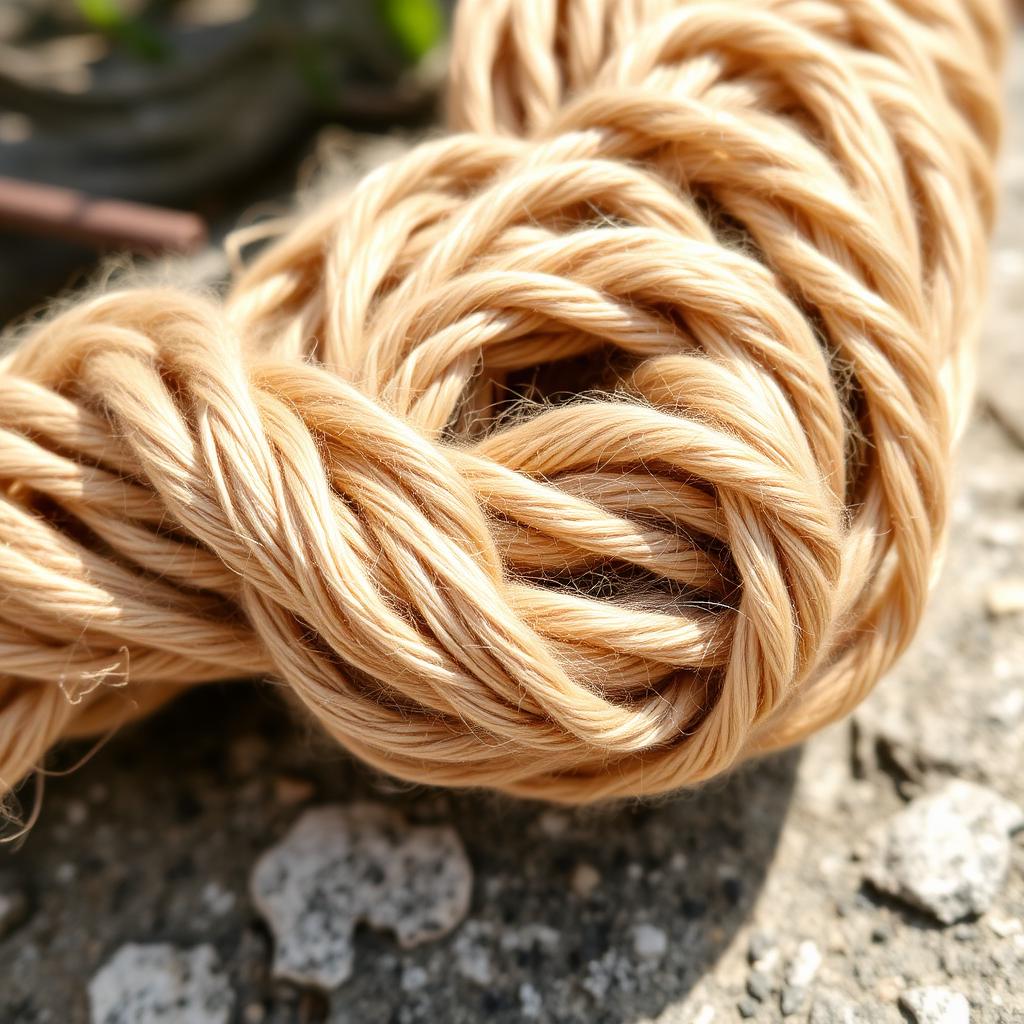
Potential for durable fabric, bags, ropes, home textiles and eco-fashion products.
Bamboo Fiber
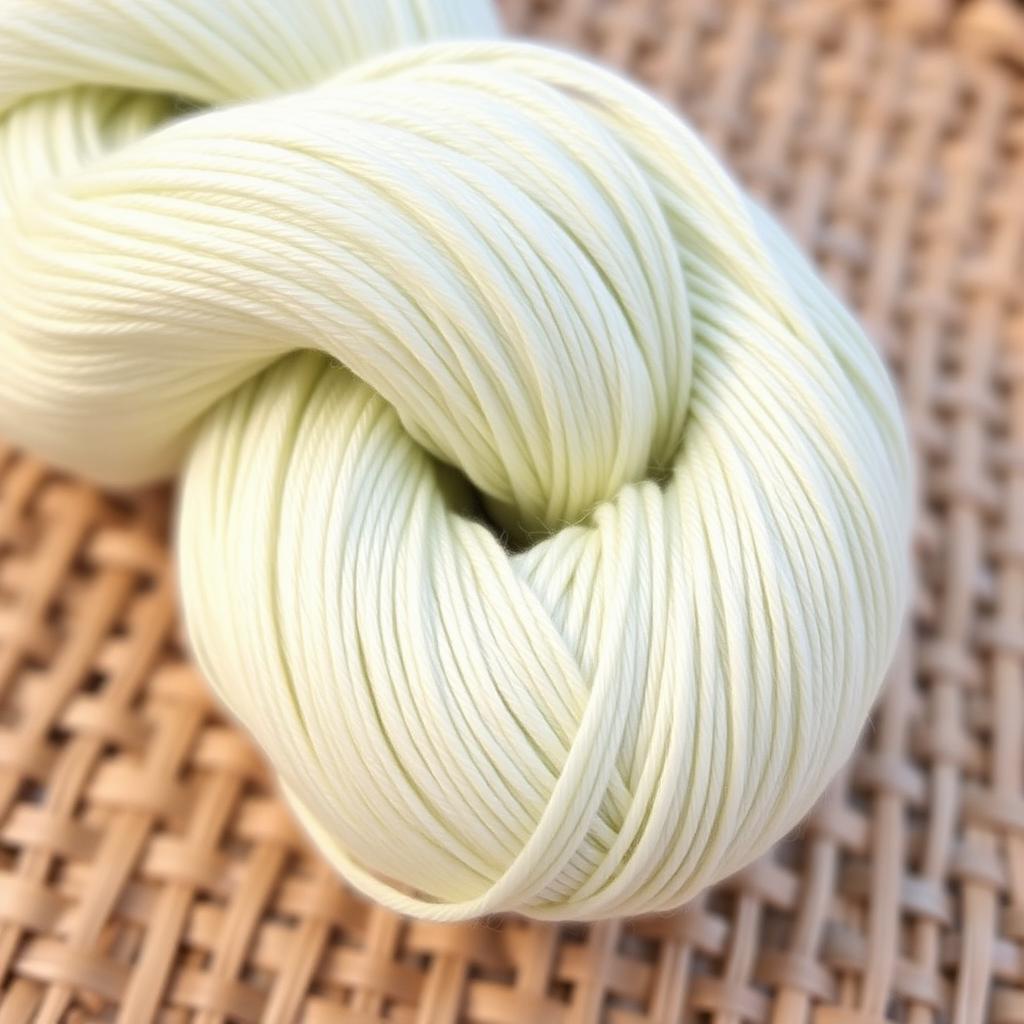
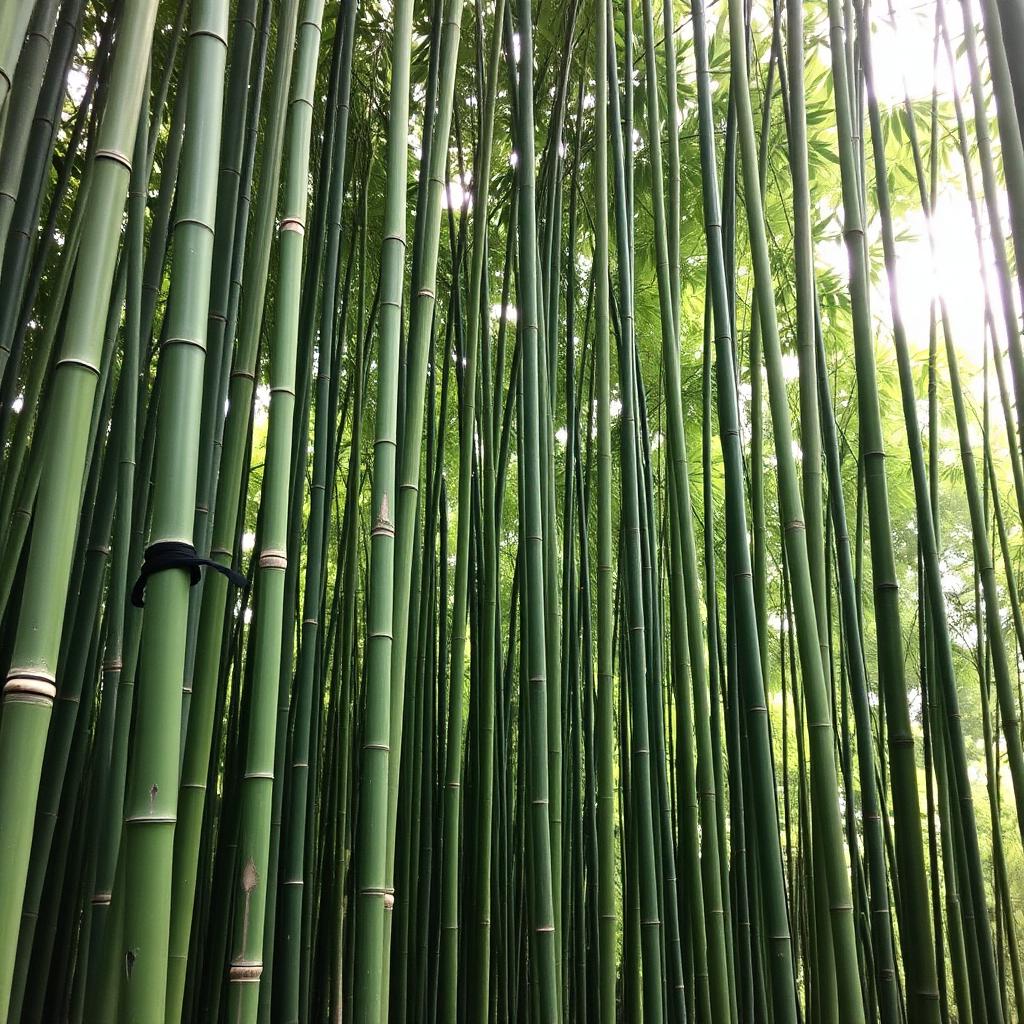
Bamboo grows in dense stands along river terraces. The clean, straight canes are split, retted and mechanically combed into a soft fiber that blends readily with silk and cotton.
Potential for soft textile blends, lifestyle products and sustainable fabric innovation.
Banana Fiber
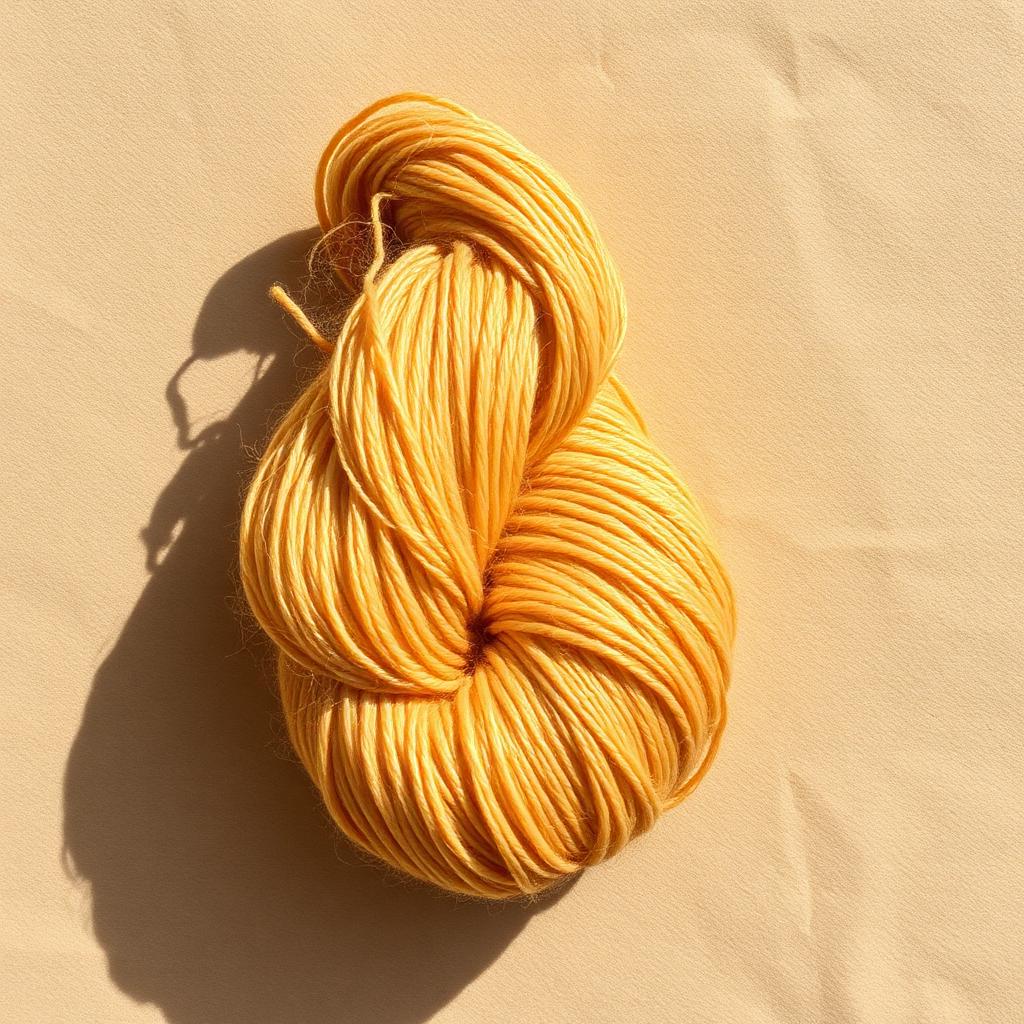
A high-strength, low-impact fiber for institutional and heritage textile applications.
Programme Structure
Seven knots on one gold thread — the loom that turns a wild stalk into a market-ready textile.
Fiber comparison bench.
Illustrative profiles for orientation — a full readout for each of the four fibers.
Ecological Ledger
A working page. Illustrative indices only — the real audit lives with the co-operative.
Trained community collectors harvest Himalayan nettle on rotation — protecting the stand while paying households a fair rate per kilo of clean bast.
Small decortication and retting facilities on shared cooperative land let farmers process on site instead of selling raw stalks at a loss.
Post-harvest banana stems that would otherwise rot are converted into spinnable fibre — a new income line stacked on an existing crop.
“We were already cutting allo. HFMN taught us how to sell it as fibre instead of firewood.”