
01
Foraged inputs
Farmer linkage
Madder, walnut husk and rhododendron flowers are bought from farming households at published seasonal rates — a second income from what used to be waste.
HFMN promotes natural colorants and plant-based dyes as part of Nepal's sustainable textile future — connecting local biodiversity, traditional knowledge, eco-friendly processing and high-value textile branding.
Colour, held
by an elder,
measured by smell.
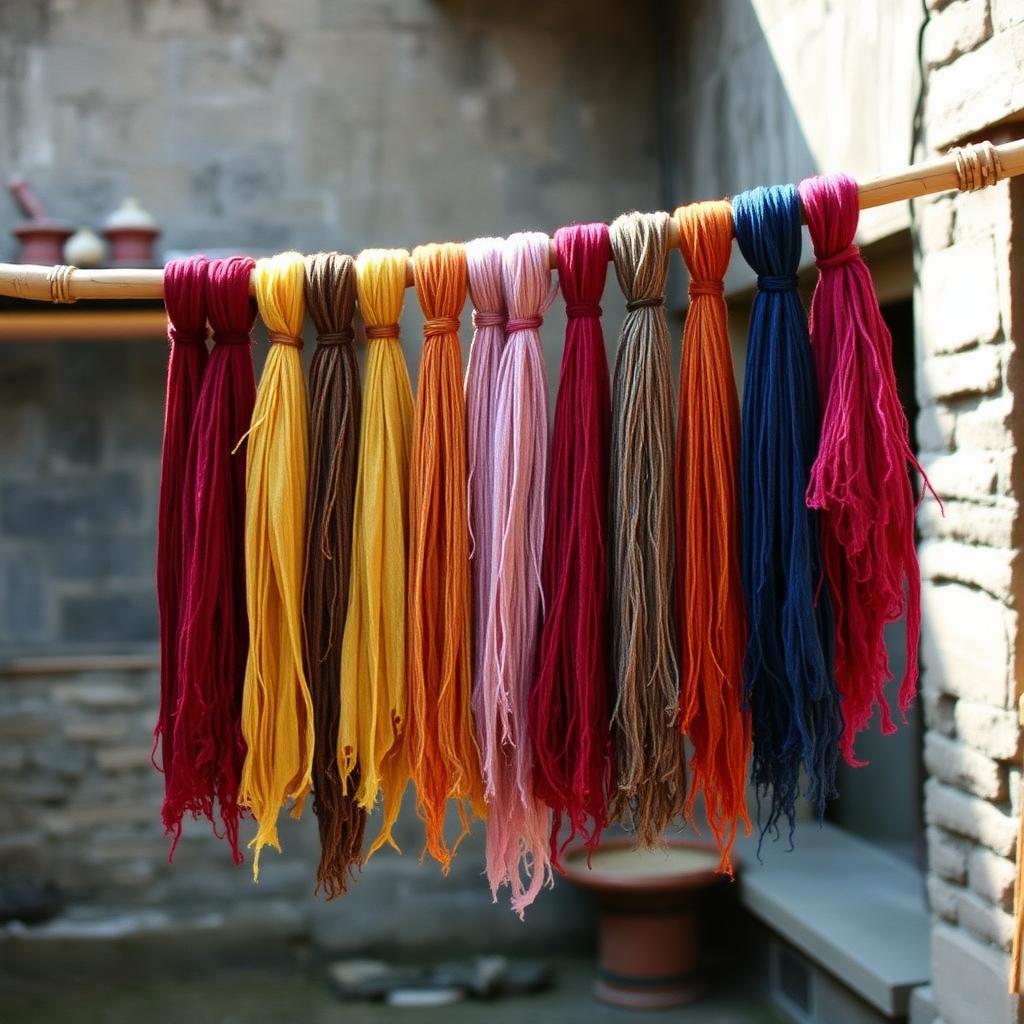
Colour once came from the same forest that fed the village. Madder root for red. Marigold for yellow. Walnut husk for brown. Rhododendron petals for rose. Each recipe was held by an elder, adjusted by hand and passed down as much through smell as through measurement.
HFMN's natural-dye programme is a slow, careful attempt to bring that knowledge into a standardised colour library — one that keeps its provenance intact while giving today's weavers, cooperatives and designers a reliable palette to specify, order and export.
Every botanical below carries its own recipe — the swatch it yields, the mordant it needs, its fastness on cloth and its place in Nepal's dye tradition.
Every dye pot is a small research lab: biodiversity, traditional knowledge and low-chemistry processing, together.
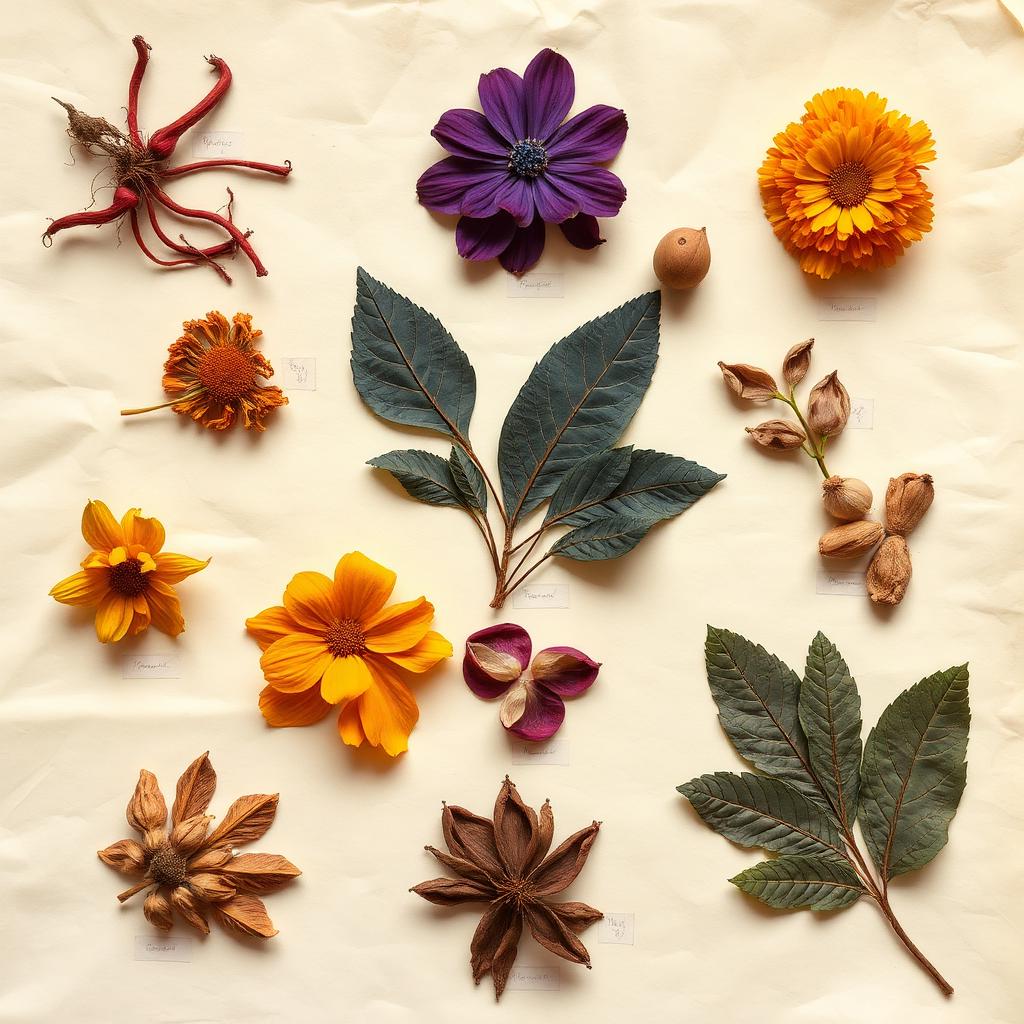

Identification and testing of local dye plants and colorants under HFMN's research and quality framework.
Community collection, cultivation and cooperative supply of dye plants — creating a parallel forest-and-farm income stream.
Village dye-houses, standardised recipes, colour libraries and wastewater treatment aligned with ESG standards.
Naturally-dyed silks, wools and blends carrying the HFMN certification for provenance, colour source and ecological impact.
Identification and testing of local dye plants and colorants under HFMN's research and quality framework.
Madder, walnut husk and rhododendron flowers are bought from farming households at published seasonal rates — a second income from what used to be waste.
Cooperative dye-houses share vats, mordants and wastewater treatment — costs no single artisan could carry alone.
Every recipe is logged with plant source, mordant and lot number — so a colour from 2024 can be reproduced in 2026, and traced back to a farm.
“ My grandmother knew the plants. HFMN taught us to write down the recipe.
“The forest was already a colour library. We only learned to write it down.”
— HFMN natural-dye programme, 2026