01
Herder to grader
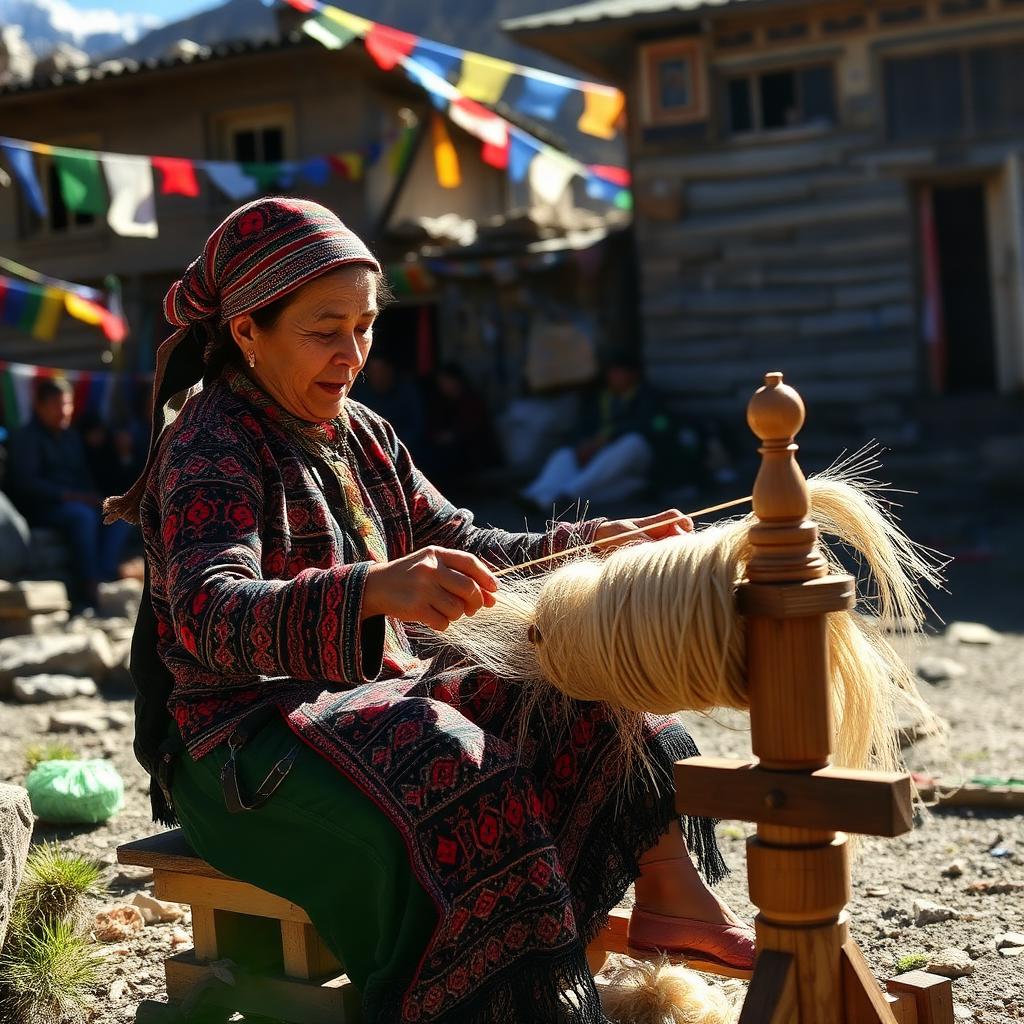
Fleece collection
Seasonal collection points buy graded fleece from herders at published rates, replacing the middleman network that used to swallow the margin.
Nepal's traditional and high-altitude wool has strong sustainability, heritage and market potential. HFMN develops it as a modern, ethical fiber programme — from fleece to finished garment.
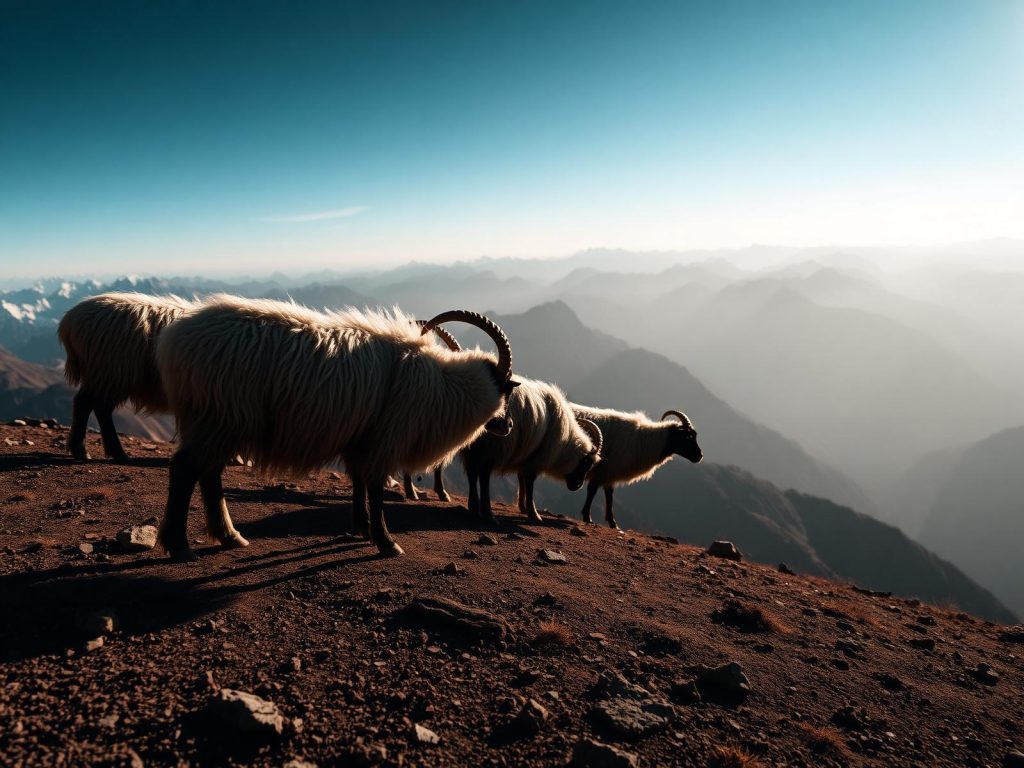

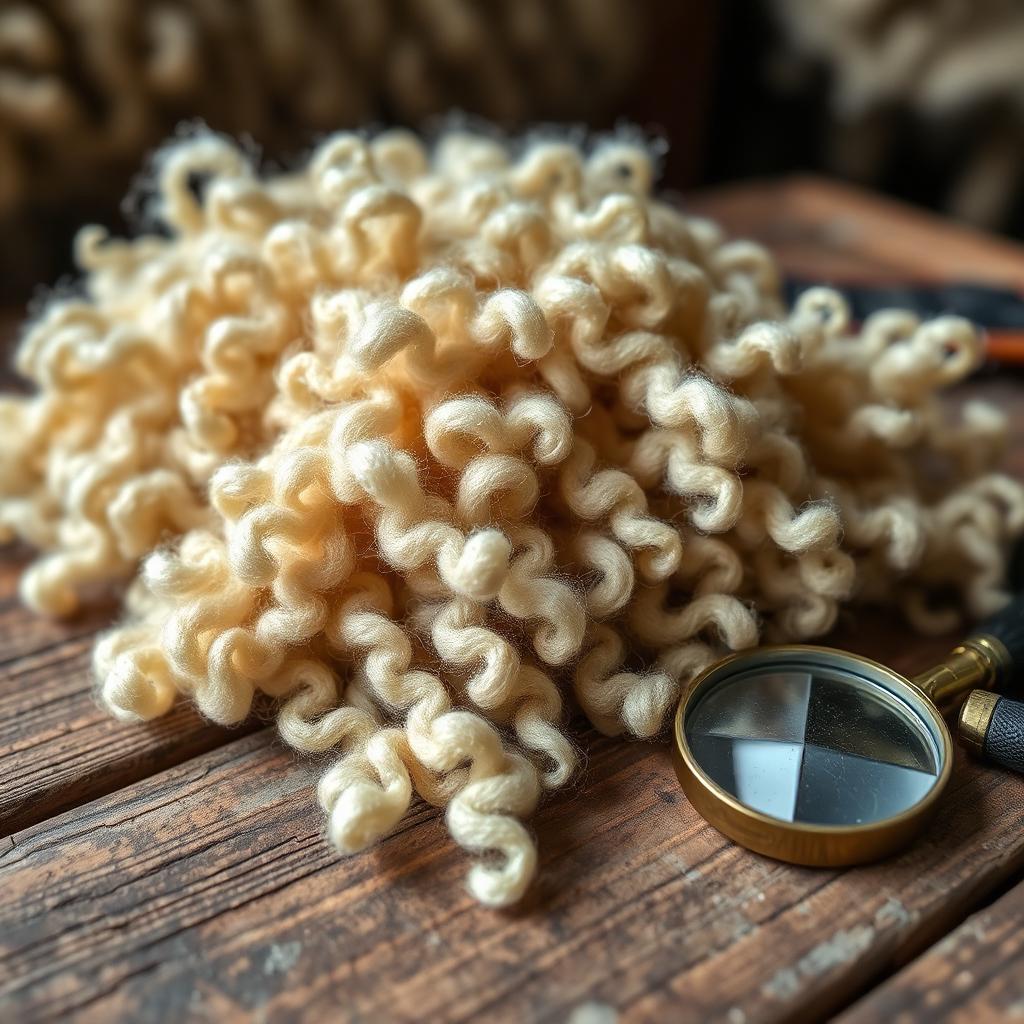
Nepal's indigenous wool comes from the high altitudes where the sheep and goats work through winter. It is coarser than merino, warmer than most, and — until recently — largely absent from any national inventory.
The HFMN wool programme is building that inventory: grading standards, washing units, spinning cooperatives and a route to market that keeps the herder in the value chain instead of at its edge.
Chyangra and high-altitude sheep produce a fibre made by weather itself — fine, resilient, and quietly luxurious.
Micron testing, colourfastness, weave count and traceability standards applied across producer cooperatives.
Fibre diameter, measured in microns, decides where a Nepali fleece lands — from coarse valley wool to the ultra-fine Chyangra pashmina of the high Himalaya.

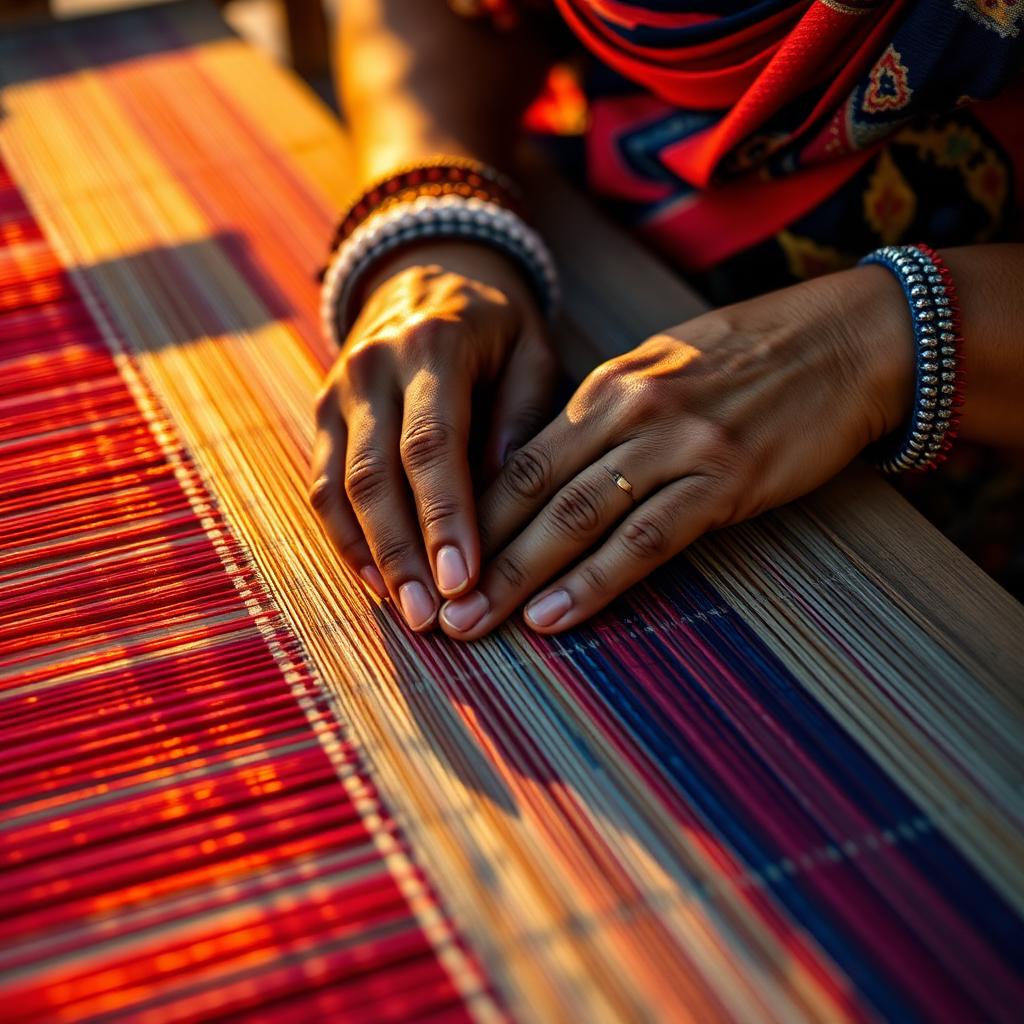

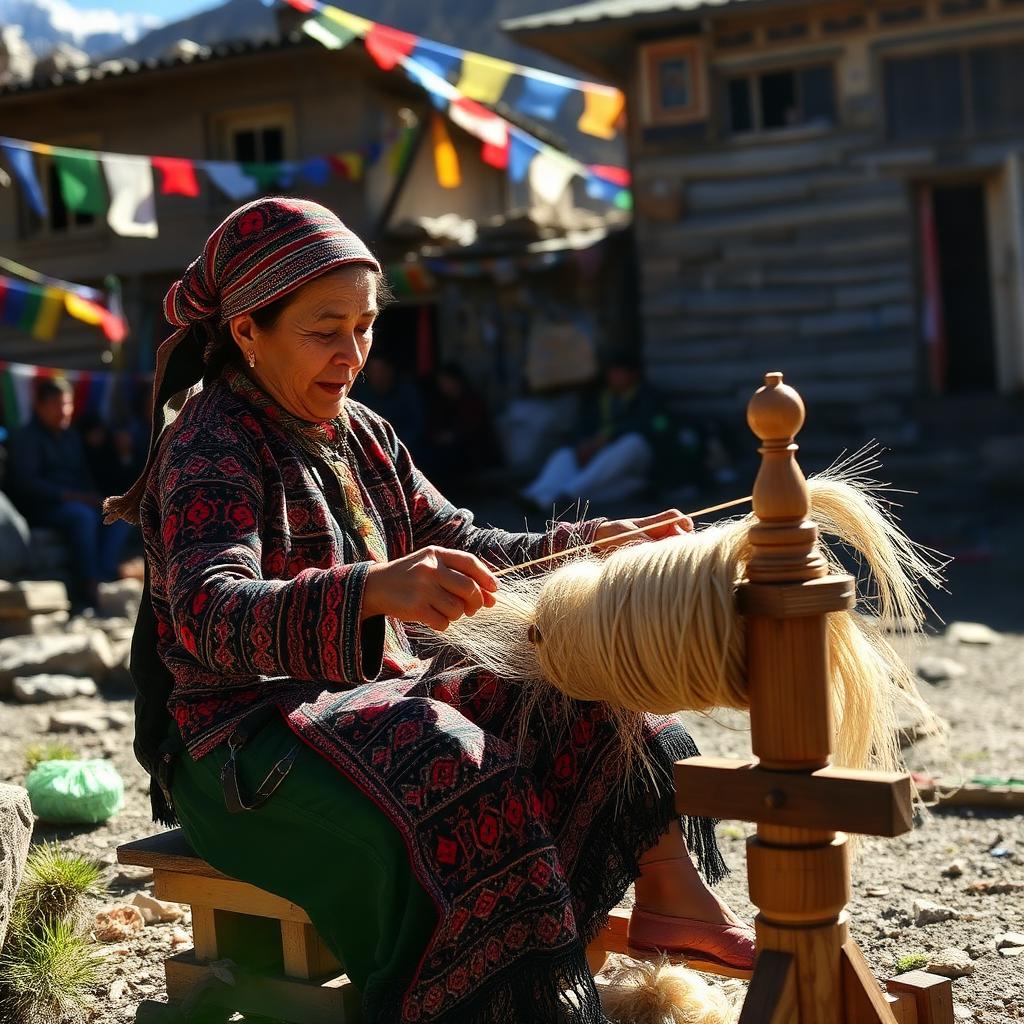
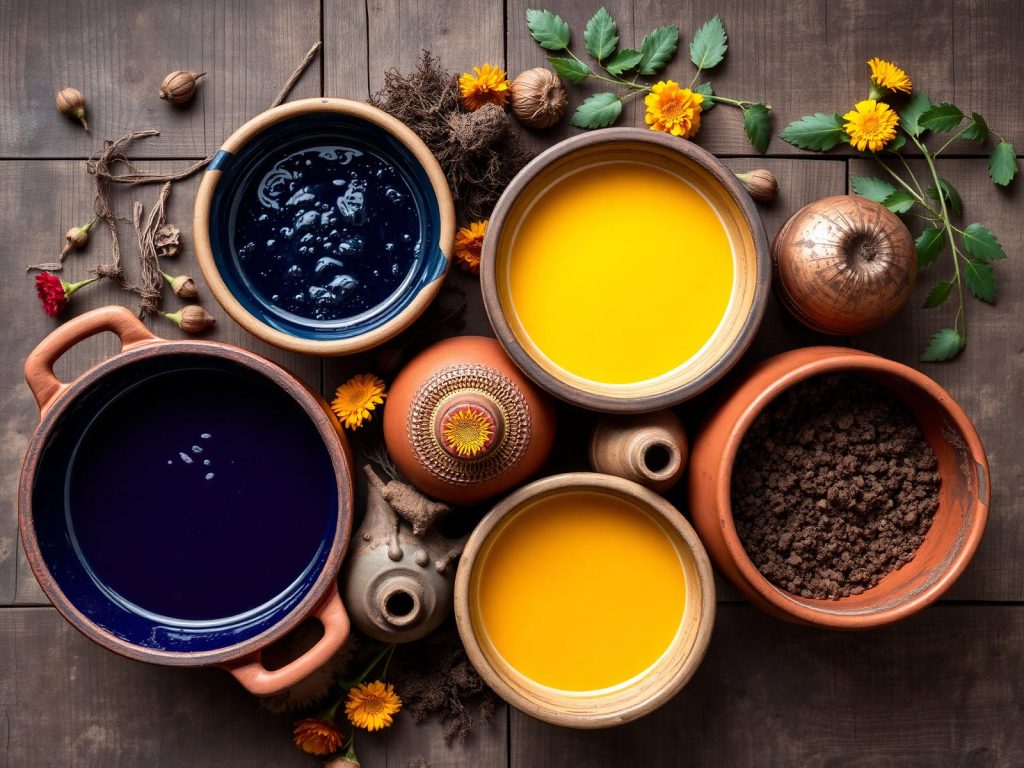
Each card shows the wool-to-partner ratio, what the blend feels like, and where it is used. Every HFMN blend is engineered — a coarser fibre gives the yarn its backbone, a finer fibre gives it its hand.
70% Nepalese wool · 30% Silk
Wool warmth meets silk lustre. The result is a soft, draping fabric that carries light and keeps body heat close.
60% Nepalese wool · 40% Allo
Wool insulation paired with allo's tensile strength. A tougher cloth that still breathes and ages gracefully.
50% Nepalese wool · 50% Hemp
Equal partners: wool gives softness and loft, hemp gives structure and breathability. A balanced, hard-wearing blend.
Seasonal collection points buy graded fleece from herders at published rates, replacing the middleman network that used to swallow the margin.
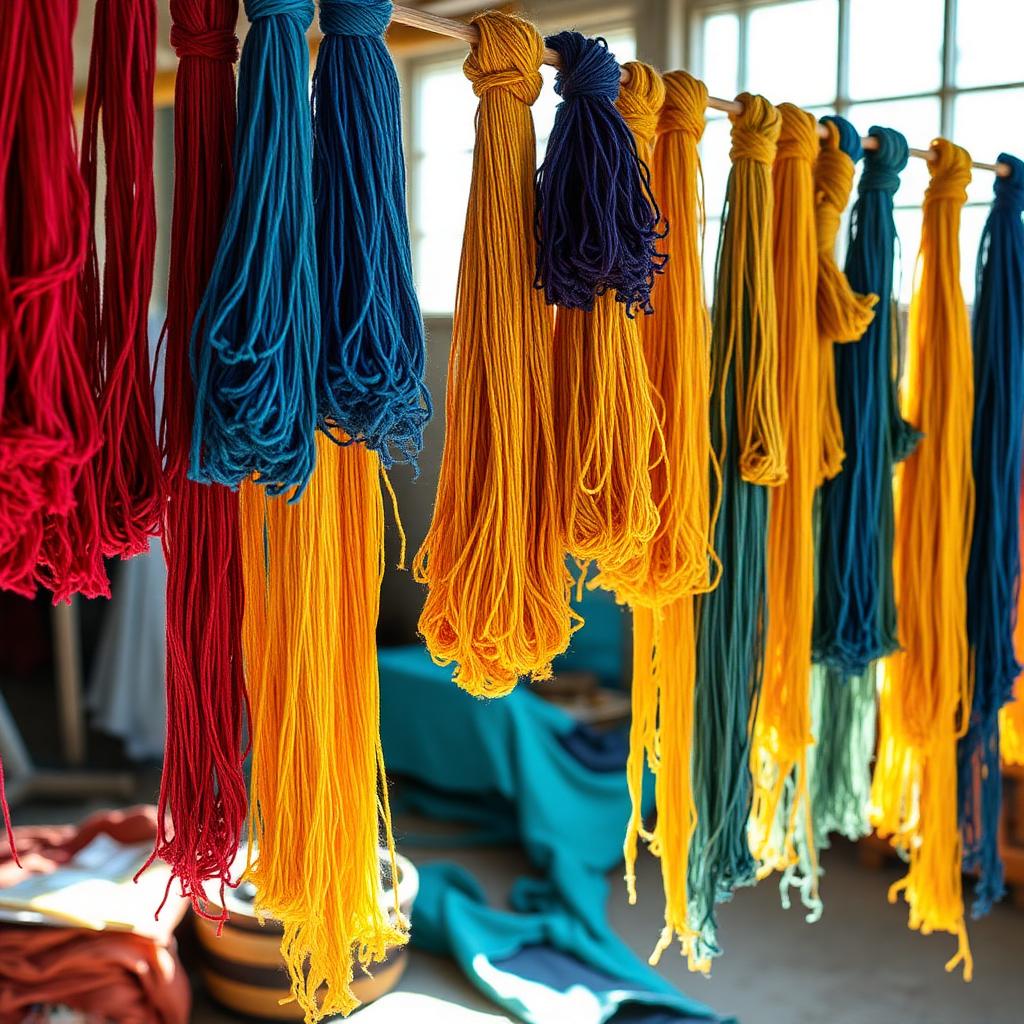
Small mechanized scouring and spinning units in Mustang, Dolpa and Humla process fleece close to source — reducing loss and carbon.
Wool-silk and wool-allo blends are prototyped with weaver-designers so the innovation belongs to the cluster, not to a distant studio.
“ The wool used to leave in a sack. Now it leaves in a scarf — with our name on it.
“The wool used to leave in a sack. Now it leaves in a scarf — with our name on it.”
— Herder cooperative, Mustang